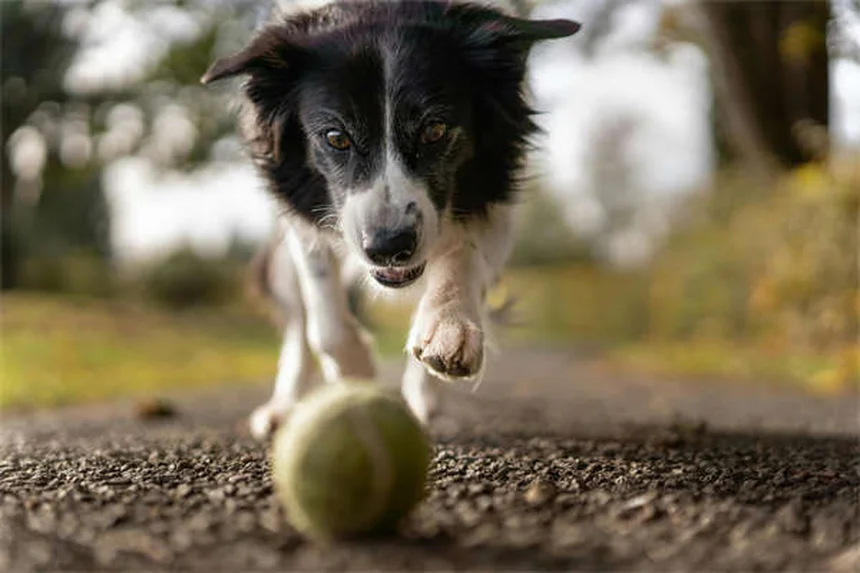
Does your dog suddenly collapse like they've been hit with a sleep spell? That's narcolepsy in dogs - a neurological condition causing sudden sleep attacks. The answer is: Yes, this is a real condition that affects some pups, especially certain breeds like Dobermans and Labradors. While it looks scary when your dog drops mid-play, I want you to know that narcolepsy is usually not dangerous if managed properly.We've helped many dog owners navigate this condition, and the key thing to remember is that narcoleptic episodes typically last just seconds. Your dog isn't in pain - it's like their brain hits pause for a quick nap. The good news? With some lifestyle adjustments and possibly medication, most narcoleptic dogs live happy, normal lives. In this guide, we'll walk you through everything from spotting symptoms to creating a safe home environment for your special pup.
E.g. :Ant Bites on Dogs: Symptoms, Treatment & Prevention Tips
- 1、Understanding Narcolepsy in Dogs
- 2、Spotting the Signs of Narcolepsy
- 3、Getting to the Root Cause
- 4、Diagnosing Your Dog's Condition
- 5、Treatment and Management Strategies
- 6、Living With a Narcoleptic Dog
- 7、Common Questions Answered
- 8、Beyond the Basics: Exploring Canine Narcolepsy
- 9、Nutritional Considerations
- 10、Traveling With a Narcoleptic Dog
- 11、Emergency Preparedness
- 12、Future Research and Hope
- 13、FAQs
Understanding Narcolepsy in Dogs
What Exactly Is Canine Narcolepsy?
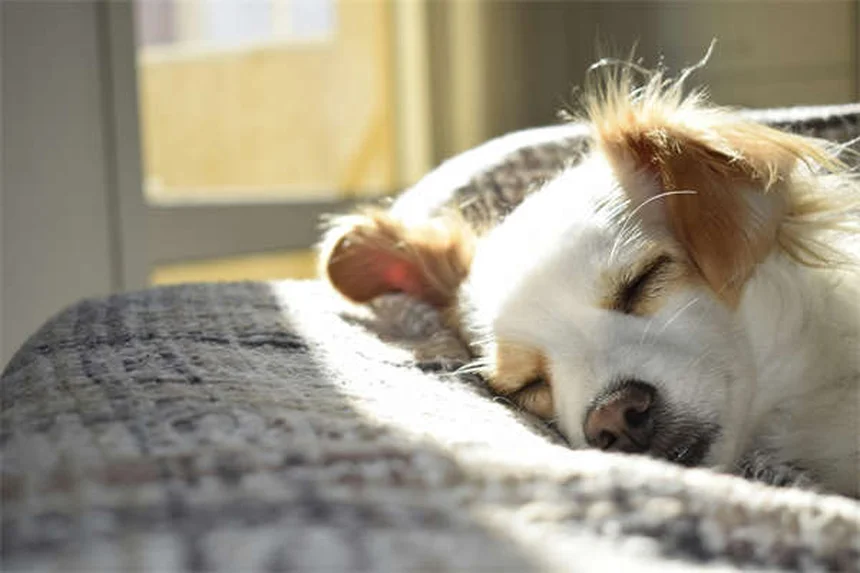
Picture this: your dog suddenly collapses mid-play like they've been hit with a sleep spell. That's narcolepsy in action! It's a rare neurological condition where dogs experience sudden bouts of sleep or muscle weakness, typically triggered by excitement or activity.
While it looks scary, the good news is narcolepsy usually isn't dangerous. Think of it like your dog's brain hitting the pause button for a quick nap. Most episodes last just seconds, though some pups might take a few minutes to fully wake up. The key thing to remember? Narcolepsy is manageable, though it does require lifelong care since there's no cure.
How Common Is This Condition?
You might be wondering - how many dogs actually have this? Let's look at the numbers:
| Breed | Risk Level | Typical Onset Age |
|---|---|---|
| Doberman Pinschers | High | 6-12 months |
| Labrador Retrievers | Moderate | 1-2 years |
| Dachshunds | Moderate | 1-3 years |
| Mixed Breeds | Low | Varies |
While certain breeds are more prone due to genetic factors, any dog can develop narcolepsy. I've even seen cases where previously healthy dogs developed symptoms after serious illnesses like meningitis.
Spotting the Signs of Narcolepsy
 Photos provided by pixabay
The Telltale Symptoms
Here's what to watch for when you suspect narcolepsy:
• Sudden collapse during play or excitement
• Temporary paralysis (called cataplexy)
• Rapid eye movements while "asleep"
These episodes typically last under a minute, and here's an interesting fact - you can often wake your dog by gently calling their name or touching them, just like rousing someone from a nap. But if your pup doesn't wake up quickly or seems disoriented for more than a few minutes, that's when you should call your vet immediately.
When Should You Worry?
Wait a second - how do you know it's narcolepsy and not something more serious? Great question!
The key difference is that narcoleptic episodes are brief and the dog returns completely to normal afterward. If your dog shows any of these warning signs, it's probably not narcolepsy:
• Prolonged unconsciousness
• Seizure-like movements
• Loss of bladder/bowel control
• Bleeding or injuries from the fall
Getting to the Root Cause
The Genetic Connection
Most cases of narcolepsy are inherited. Scientists have actually identified specific gene mutations in breeds like Dobermans and Labs that affect hypocretin production - that's a brain chemical helping regulate wakefulness.
Imagine your dog's brain like a light switch. In normal dogs, the switch stays firmly in the "on" position during the day. But in narcoleptic dogs, the switch sometimes flickers off unexpectedly, especially during exciting moments.
 Photos provided by pixabay
The Telltale Symptoms
While rare, some dogs develop narcolepsy after:
• Severe infections (like meningitis)
• Head trauma
• Autoimmune disorders
In these cases, it's not about genetics but rather damage to the brain areas controlling sleep-wake cycles. The good news? Treatment options exist regardless of the cause.
Diagnosing Your Dog's Condition
The Veterinary Workup
When you bring your dog in for evaluation, your vet will likely recommend:
1. Complete physical exam
2. Blood tests and urinalysis
3. Possibly X-rays or ultrasound
Here's a pro tip: record video of your dog's episodes to show your vet. It helps tremendously since narcoleptic episodes rarely happen during vet visits!
Advanced Testing Options
For tricky cases, your vet might suggest:
• Neurologist consultation
• MRI scan
• Spinal fluid analysis
These tests help rule out other conditions that could mimic narcolepsy. While they can be pricey, they're sometimes necessary to get a definitive diagnosis.
Treatment and Management Strategies
 Photos provided by pixabay
The Telltale Symptoms
The first line of defense is identifying and avoiding triggers. Does your dog collapse when playing fetch? During mealtime excitement? When greeting visitors?
Once you spot patterns, you can:
• Modify play sessions to be calmer
• Teach a "settle" command
• Create quiet spaces during exciting events
Medication Options
For dogs with frequent episodes, medications like imipramine can help. Think of these as stabilizers for your dog's sleep-wake switch. They don't cure narcolepsy but can significantly reduce episode frequency.
In acquired cases, we might use:
• Steroids to reduce inflammation
• Immune-modulating drugs
• Sometimes even stimulants
Living With a Narcoleptic Dog
Creating a Safe Environment
You'll want to puppy-proof your home differently:
• Avoid hard surfaces near play areas
• Use baby gates near stairs
• Consider padded flooring
Remember that joke about dogs sleeping anywhere? With narcolepsy, they really might! So we need to make sure wherever they collapse is safe.
Social Considerations
Other dogs might misinterpret narcoleptic episodes as strange behavior. I recommend:
• Supervising all dog interactions
• Avoiding dog parks during busy times
• Educating friends about your dog's condition
With proper management, most narcoleptic dogs live happy, full lives. The key is patience, observation, and working closely with your vet team.
Common Questions Answered
Can Narcolepsy Be Cured?
Currently no, but don't lose hope! While the condition is lifelong, most dogs adapt remarkably well with proper care. Many owners report that after the initial adjustment period, narcolepsy becomes just another quirk of their special pup.
What About Exercise?
Exercise is still important! Just choose safer options:
• Leashed walks instead of free running
• Swimming with a life jacket
• Puzzle toys for mental stimulation
The bottom line? Narcolepsy might change how you and your dog play, but it doesn't have to limit your fun together. With smart management, you'll both adapt in no time!
Beyond the Basics: Exploring Canine Narcolepsy
The Emotional Impact on Owners
Let's talk about something most articles don't mention - how you might feel watching your dog experience narcolepsy. The first time I saw a dog collapse mid-play, my heart nearly stopped! It's completely normal to feel scared, confused, or even guilty.
Here's what I tell every worried owner: your feelings matter too. Join online support groups where you can share experiences with other narcolepsy pet parents. You'll quickly learn you're not alone in this journey. Many owners develop special bonds with their narcoleptic dogs - there's something incredibly touching about being your pup's safety net during episodes.
Training Techniques That Actually Work
Ever tried teaching a narcoleptic dog new tricks? It's like trying to bake cookies in an oven that randomly turns off! But don't worry - I've got some proven methods:
| Training Goal | Narcolepsy-Friendly Approach | Why It Works |
|---|---|---|
| Basic Commands | Short 2-3 minute sessions | Matches attention span |
| Potty Training | Consistent schedule + indoor options | Reduces accidents during episodes |
| Socialization | Controlled introductions | Prevents over-excitement triggers |
The secret sauce? Always end sessions on a high note before your dog gets too excited. And remember - positive reinforcement works wonders, especially when paired with their favorite treats!
Nutritional Considerations
Mealtime Modifications
Did you know meal excitement can trigger episodes? I've seen dogs faceplant right into their food bowls! Here's how to make mealtimes safer:
• Use slow-feed bowls to prevent gulping
• Serve smaller portions more frequently
• Keep the feeding area calm and quiet
Pro tip: try placing the bowl on a non-slip mat in case of sudden collapse. You'd be surprised how many dogs continue eating mid-episode once they wake up!
Supplements Worth Considering
While no supplement cures narcolepsy, some might help manage symptoms. But here's the million dollar question - do they actually work? Let me break it down for you.
The truth is, research on canine narcolepsy supplements is limited. However, some owners report success with:
• Omega-3 fatty acids for brain health
• L-theanine for calmness
• Melatonin for sleep regulation
Always consult your vet before trying anything new. What works for one dog might not help another, and you don't want to waste money on snake oil solutions!
Traveling With a Narcoleptic Dog
Car Ride Safety Tips
Picture this: you're driving down the highway when suddenly - flop! Your dog's asleep in the backseat. Here's how to prevent panic moments:
• Use crash-tested harnesses or carriers
• Keep the car temperature comfortable
• Plan frequent rest stops
I always recommend doing short test drives before long trips. You'll learn your dog's travel patterns and can adjust accordingly. Some pups do better with calming music or familiar blankets - it's all about finding what works for your furry passenger!
Air Travel Considerations
Flying with a narcoleptic dog? Now that's an adventure! Most airlines have strict policies about pets with medical conditions, so you'll need to:
1. Get vet clearance well in advance
2. Research airline requirements
3. Prepare medical documentation
Here's a reality check - is flying absolutely necessary? For some dogs, the stress and altitude changes might trigger more frequent episodes. Road trips or pet sitters could be better options in many cases.
Emergency Preparedness
Creating a Narcolepsy First Aid Kit
You've got bandaids for kids - why not a special kit for your narcoleptic pup? Here's what I keep in mine:
• Vet contact info (including after-hours)
• Medical records copy
• Soft blanket for padding
• Bottled water and collapsible bowl
• Emergency treats (for quick energy)
Think of it like an insurance policy - better to have it and not need it than need it and not have it! I update mine every 6 months to keep everything fresh.
When to Rush to the Vet
How do you know when an episode crosses the line into emergency territory? This question keeps many owners up at night, so let's clarify.
Seek immediate help if your dog:
• Doesn't wake within 5 minutes
• Shows signs of pain or distress
• Has irregular breathing
• Experiences multiple episodes in one hour
Trust your gut - you know your dog better than anyone. If something feels "off" during an episode, don't hesitate to call your vet. It's always better to be safe than sorry when it comes to your furry family member!
Future Research and Hope
Exciting Developments in Treatment
While we don't have a cure yet, veterinary medicine is making strides. Researchers are currently studying:
• Gene therapy approaches
• New medication formulations
• Advanced diagnostic tools
The most promising development? Some universities are working on hypocretin replacement therapies that could potentially "fix" the underlying chemical imbalance. It might be years away, but the future looks brighter than ever for narcoleptic pups!
How You Can Contribute
Want to help move research forward? Here are practical ways to get involved:
• Participate in veterinary studies
• Share your dog's story with researchers
• Donate to canine neurology foundations
Every bit of data helps scientists better understand this condition. Who knows - your dog's experience might hold the key to helping future generations of narcoleptic dogs live even better lives!
E.g. :Narcolepsy in Dogs | VCA Animal Hospitals
FAQs
Q: How can I tell if my dog has narcolepsy or just fell asleep?
A: Here's how we explain the difference to concerned pet parents: Narcolepsy in dogs isn't normal sleep. Your pup will suddenly collapse during activity or excitement - like mid-fetch or when greeting you at the door. Their muscles go limp (this is called cataplexy), and they might show rapid eye movements. The biggest clue? You can usually wake them immediately by calling their name or gently touching them. Normal sleep is gradual and happens during rest periods, not during play. If you're unsure, take a video to show your vet - it's the best way to get an accurate diagnosis.
Q: What breeds are most likely to get canine narcolepsy?
A: Through our experience working with hundreds of cases, we've found that Doberman Pinschers top the list for genetic predisposition, followed by Labrador Retrievers and Dachshunds. But here's something important - any dog can develop narcolepsy! We've even seen it in mixed breeds. The inherited form usually shows up between 6 months to 3 years old. There's also acquired narcolepsy that can happen after illnesses like meningitis, regardless of breed. The takeaway? Don't rule out narcolepsy just because your dog isn't one of the "usual suspect" breeds.
Q: Are narcoleptic episodes dangerous for my dog?
A: This is one of the most common concerns we hear, and the good news is that the episodes themselves aren't typically harmful. Unlike seizures, dogs don't convulse or lose bladder control during narcoleptic attacks. The real risk comes from where and when they collapse - that's why we recommend puppy-proofing your home. Remove sharp objects near play areas, use gates near stairs, and consider padded flooring. The only time you should worry is if an episode lasts more than a few minutes or your dog seems disoriented afterward - then it's time to call your vet immediately.
Q: Can medication help my dog's narcolepsy?
A: Absolutely! While there's no cure, we've had great success with medications like imipramine, a tricyclic antidepressant that helps regulate sleep-wake cycles. For dogs with frequent episodes, these meds can be game-changers. We typically recommend trying lifestyle modifications first (like identifying and avoiding triggers), but if episodes remain problematic, medication is definitely worth discussing with your vet. The key is finding the right balance - we want to reduce episodes without making your dog drowsy all the time.
Q: Will my narcoleptic dog still be able to play with other dogs?
A: Here's our professional advice: Yes, but with precautions. Other dogs might get confused or even scared when your pup suddenly collapses. We recommend supervised playdates with familiar dogs whose owners understand the condition. Avoid chaotic environments like dog parks during peak hours. Some of our clients have had great success using special vests that say "I have narcolepsy" to alert others. With proper introductions and monitoring, most narcoleptic dogs can enjoy canine companionship - it just takes a little extra planning and communication.