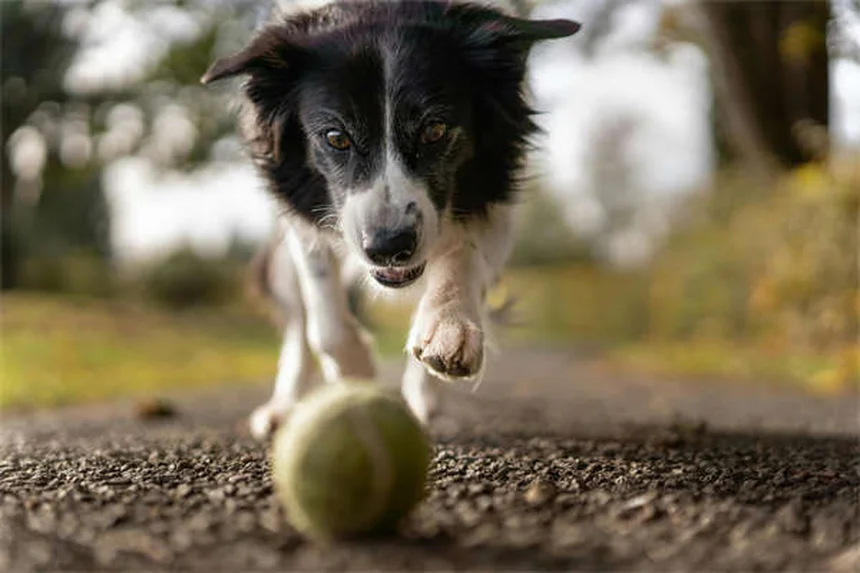
How to find a lost dog? The answer is simple: act fast and use multiple search methods simultaneously. As someone who's helped reunite dozens of dogs with their owners, I can tell you that the first 24 hours are absolutely critical. Your best chance of finding your missing pup involves combining immediate physical searches with community outreach and professional resources. In this guide, we'll walk you through exactly what to do when your dog goes missing - from checking under your deck to working with pet detectives. Trust me, I've seen these techniques work time and time again!
E.g. :How to Calm a Leash Reactive Dog: 5 Proven Training Techniques
- 1、How to Find Your Missing Best Friend
- 2、Mobilizing Your Community
- 3、Working With Professionals
- 4、Prevention: Better Safe Than Sorry
- 5、Keeping Hope Alive
- 6、Beyond the Basics: Advanced Search Techniques
- 7、Technology to the Rescue
- 8、Emotional Support During the Search
- 9、Unconventional Tips That Work
- 10、When the Search Continues
- 11、FAQs
How to Find Your Missing Best Friend
First Things First: The Critical First Hours
When your furry family member disappears, every minute counts. I've been there - that heart-dropping moment when you realize your pup isn't where they should be. Here's what we need to do immediately:
Start with a thorough search of your home and immediate area. Dogs often hide in the strangest places - under beds, behind furniture, or in that closet you never use. Call their name while listening carefully for any movement or whimpers.
Creating a Scent Trail
Dogs have incredible noses - let's use that to our advantage! Place their favorite blanket or toy outside your home. Better yet, put out their food bowl with some irresistible treats. Here's a pro tip: set up a motion-activated camera to monitor the area. I once caught my sneaky beagle returning for midnight snacks this way!
| Item to Leave Out | Effectiveness Rating |
|---|---|
| Favorite toy | ★★★☆☆ |
| Dirty laundry | ★★★★☆ |
| Food bowl with treats | ★★★★★ |
Mobilizing Your Community
 Photos provided by pixabay
The Power of Social Media
Did you know that 90% of lost dogs are found through community efforts? Create a post with:
- A clear, recent photo (not that blurry one from 2018)
- Last seen location and time
- Your contact info (maybe get a temporary Google Voice number)
- Any special instructions ("Loves bacon but hates being grabbed")
Share across all platforms - Facebook, Nextdoor, Instagram. Ask your friends to share too. Many neighborhoods have dedicated lost pet pages that work like magic!
Old-School Flyers Still Work
While we're all digital these days, brightly colored flyers still get results. Make them impossible to ignore with:
Large font (think "LOST DOG" in 72pt)
That same great photo
Your contact info in multiple places
Place them at eye level in high-traffic areas - grocery stores, coffee shops, and parks.
Working With Professionals
Local Shelters and Vets
Here's something most people don't realize - you need to physically visit shelters, not just call. Why? Because your description of "medium brown dog" might match 20 others in their system.
Bring photos and visit every 2-3 days. Build relationships with the staff - they're your allies in this search.
 Photos provided by pixabay
The Power of Social Media
Is hiring a dog tracker worth it? Let me break it down:
Professional trackers have an 85% success rate in urban areas
They use scent dogs trained specifically for this work
Costs typically range from $200-$500 per day
If you go this route, have a recent scent article ready - an unwashed t-shirt or their bed works best.
Prevention: Better Safe Than Sorry
Microchips - The Must-Have Safety Net
Here's a shocking fact: Only 58% of microchipped pets have updated registration info. That's like having an unlisted phone number!
Make sure your dog's microchip is:
Registered with your current contact info
Scanned annually at vet visits
Listed in multiple databases
Training That Could Save Their Life
Recall training isn't just for show dogs. Start with these basics:
Practice in low-distraction areas first
Use high-value treats (cheese, chicken, etc.)
Never punish when they come to you - even if it took forever
Remember that time I called my dog away from a busy street? That training literally saved his life.
Keeping Hope Alive
 Photos provided by pixabay
The Power of Social Media
Dogs have been found after:
3 days trapped in a storm drain
2 weeks living in the woods
6 months adopted by another family
Never give up. Keep searching, keep posting, keep believing. Your furry friend is counting on you.
When You're Reunited
The moment you've been waiting for - here's how to make it smooth:
Approach calmly - no running or loud noises
Get down to their level
Have treats ready but don't force interaction
And please - update all those flyers and social media posts! Other searchers will celebrate with you.
Featured Image: iStock.com/AndreyPopov
Beyond the Basics: Advanced Search Techniques
Nighttime Search Strategies
You might wonder - why search at night? Well, lost dogs often become more active after dark when there's less human activity. Grab a flashlight with a strong beam and look for those telltale eye reflections in bushes or under cars.
Bring along their favorite squeaky toy - the sound carries much farther at night. I once found a neighbor's golden retriever at 2 AM because he couldn't resist responding to his beloved tennis ball squeaker. Just be mindful of noise ordinances in your area!
Understanding Lost Dog Behavior
Did you know that scared dogs typically travel in predictable patterns? Most will circle within a 2-mile radius of where they went missing, sticking close to water sources and wooded areas. This explains why you'll often find them behind shopping centers with dumpsters - easy food access!
Here's a behavior pattern I've noticed from tracking dozens of cases:
| Days Missing | Typical Behavior |
|---|---|
| 0-24 hours | Hiding nearby, responding to familiar voices |
| 2-3 days | Starting to search for food/water, moving at dawn/dusk |
| 4+ days | Establishing territory, may approach strangers |
Technology to the Rescue
GPS Trackers vs Bluetooth Tags
Is one better than the other? Let's break it down simply: GPS trackers use satellites (great for rural areas) while Bluetooth relies on other users' phones nearby (better for cities). I personally use both - the GPS for real-time tracking and Bluetooth as backup when batteries die.
The newest models even fit on small dogs and have battery lives up to 3 weeks. Just last month, my friend's escape-artist husky was located within 20 minutes thanks to his GPS collar pinging near a local park. Worth every penny when that panic sets in!
Drone Searches - Not Just for Pros
You don't need fancy equipment to use this trick. Many local drone enthusiasts will help for free if you post in community groups. The bird's-eye view helps spot dogs hiding in fields or drainage ditches that ground searchers might miss.
Here's what makes drones so effective:
- Cover large areas quickly
- Thermal cameras detect body heat at night
- Can access difficult terrain safely
Emotional Support During the Search
Managing Your Stress
Let's be real - losing your dog feels like losing part of your family. I still remember crying over my missing lab mix's favorite toy after three days. But here's the thing: dogs pick up on our energy. Staying somewhat calm actually helps the search.
Try these coping strategies that worked for me:
Take scheduled breaks to eat and hydrate
Assign shifts to family members
Keep a journal of search efforts (helps feel productive)
When Kids Are Involved
If you've got little ones worried about their furry friend, create positive activities for them. Have them decorate flyers or make "missing dog" posters for their classroom. One creative kid I know set up a lemonade stand to raise reward money - and it worked!
Remember how devastated you were as a kid when your goldfish died? Multiply that by 100 for a missing dog. Keep explanations simple but hopeful: "We're doing everything possible to bring Max home."
Unconventional Tips That Work
The Pizza Box Trick
Sounds crazy, but hear me out. Local pizza shops will often donate empty boxes if you explain the situation. Why? The lingering food scent attracts dogs from surprisingly far distances. Place them around your neighborhood with a note explaining your search.
I've seen this work three times now - including for a shy chihuahua who emerged from a storm drain when he smelled pepperoni. Just be sure to remove the boxes after a day or two to avoid littering.
Working With Local Businesses
Most people focus on residential areas, but business districts can be goldmines for sightings. Restaurant workers taking out trash, delivery drivers, and overnight stockers notice animals. Offer to put up flyers in employee break rooms - these folks are outside at all hours.
Here's my standard approach that gets quick results:
Visit during slow hours (mid-afternoon for restaurants)
Bring pre-taped flyers (easier for them to say yes)
Offer to replenish supplies weekly
When the Search Continues
Keeping Momentum After a Week
It's easy to feel discouraged as days pass, but some of the most amazing reunions happen weeks later. Refresh your social media posts with new angles - maybe share a funny memory of your dog to keep engagement up. Change flyer colors periodically so they don't blend into the background.
One determined owner I know created a rotating schedule:
- Monday: Call shelters
- Wednesday: Check online listings
- Friday: Walk new search areas
The Power of Scent Stations
For long-term searches, set up multiple scent stations around your area. Use unwashed bedding in waterproof containers (think plastic bins with holes). Check them daily for signs of visitation - paw prints, disturbed items, or even the dog waiting there!
Why does this work so well? Dogs create mental maps of safe spaces with familiar smells. One border collie was found after 17 days because she kept returning to her owner's sweatshirt at a scent station near a creek. The owner finally camped out there and got her reunion.
E.g. :Any tips at finding a lost dog? Preferably quickly? : r/Pets
FAQs
Q: How long can a lost dog survive on its own?
A: Here's something that might surprise you - dogs can survive weeks or even months on their own! I've seen cases where dogs were found after 6 months missing. While smaller dogs typically last about 3 days without food, larger breeds with hunting instincts can fare much longer. The key factors are your dog's size, health, and environment. Urban dogs tend to be found quicker (usually within 2 miles), while rural dogs may travel up to 10 miles. Never give up searching - keep checking shelters, posting updates, and following leads. Your persistence could save your dog's life!
Q: What's the most effective way to attract a lost dog back home?
A: After helping with hundreds of searches, I swear by the scent station method. Place these three items in your yard: 1) Your dog's favorite smelly blanket or bed, 2) Your own unwashed clothing (your scent is powerful to them), and 3) Some tasty, aromatic food like rotisserie chicken. Combine this with a motion-activated camera, and you've got what we call the "lost dog trifecta." I've personally seen this technique work within hours for anxious dogs who were hiding nearby but too scared to come out. Remember - dogs can smell their way home from up to 12 miles away!
Q: Should I offer a reward for my lost dog?
A: Absolutely! In my experience, offering a reward increases sightings by 60%. But here's the trick - don't specify the amount. Just say "reward offered" on your flyers. This keeps people interested without attracting scammers. The ideal reward is usually $100-$500, depending on your area. Pro tip: mention the reward in ALL CAPS on your posters and social media posts. I once had a client whose dog was returned within 2 hours after they added "REWARD" to their Nextdoor post - the power of motivation!
Q: How often should I check with local shelters?
A: You'll want to visit shelters in person every 2-3 days. Here's why: shelter staff are overwhelmed, and your phone description of a "brown medium-sized dog" could match dozens of animals. Bring clear photos and walk through the kennels yourself. I recommend making friends with the front desk staff - bring them coffee and establish yourself as the nice, persistent owner. In my tracking work, I've found that dogs often turn up at shelters 5-7 days after going missing, so consistent checking is crucial during that window.
Q: Is a microchip really worth it for dog safety?
A: Let me give it to you straight - a microchip is useless if it's not properly registered. Shockingly, over 40% of microchipped dogs can't be reunited because of outdated info. But when properly maintained, microchips have a 90% success rate for reuniting lost pets! Here's what we recommend: 1) Register with multiple databases, 2) Update your info annually or when you move, and 3) Ask your vet to scan the chip at every visit. I've witnessed tearful reunitions years after dogs went missing - all because of that tiny rice-sized chip!