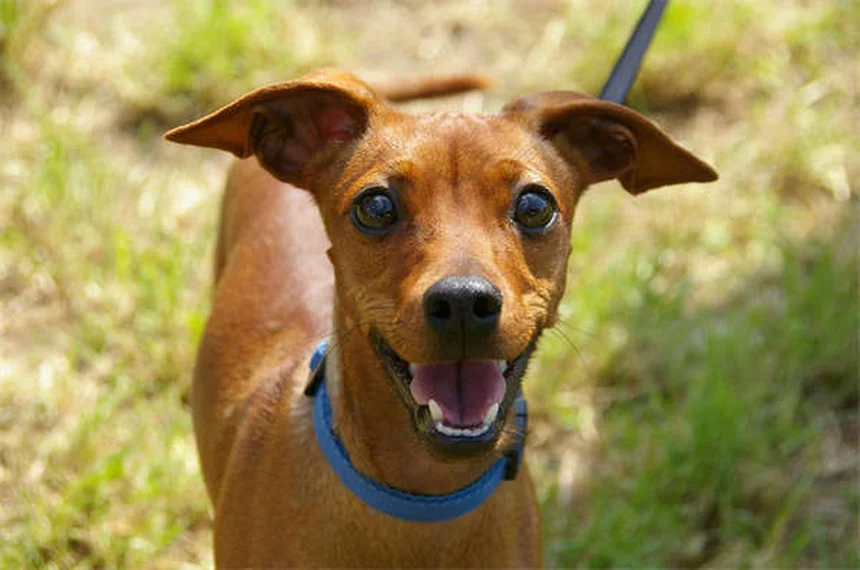
Dog camping safety tips - do you really need them? The answer is: absolutely! Taking your furry friend on outdoor adventures can create unforgettable memories, but only if you keep them safe. I've seen too many well-meaning pet owners overlook simple precautions that could prevent disaster. Whether you're planning a weekend getaway or a longer expedition, these essential safety measures will ensure your pup stays happy and healthy throughout your trip. From proper transportation to campsite selection, we'll cover everything you need to know to make your next camping trip with your dog a success.
E.g. :How to Become a Veterinarian: 7 Essential Steps to Your DVM Degree
- 1、Preparing for the Ultimate Dog-Friendly Camping Adventure
- 2、Keeping Your Dog Comfortable in Any Weather
- 3、Choosing the Perfect Dog-Friendly Campsite
- 4、Pre-Trip Vet Check: Don't Skip This!
- 5、Making Memories That Last
- 6、Expanding Your Dog's Camping Experience
- 7、Mealtime in the Wilderness
- 8、Nighttime Routines Under the Stars
- 9、Beyond Basic Camping Activities
- 10、Post-Trip Care You Shouldn't Skip
- 11、FAQs
Preparing for the Ultimate Dog-Friendly Camping Adventure
Getting Your Pup Ready for the Great Outdoors
You know what's better than camping? Camping with your best furry friend! Nothing beats watching your dog's tail wag with excitement as you both explore nature together. But before you hit the road, let's make sure you've got everything covered.
Did you know that 85% of dog owners forget at least one essential item when camping with their pets? Don't be part of that statistic! We'll walk through everything from transportation safety to campsite selection - all while keeping your pup's tail wagging.
The Right Way to Travel With Your Dog
Picture this: you're cruising down the highway, windows slightly down, your dog's ears flapping in the wind. Sounds perfect, right? But here's the thing - that adorable scene could turn dangerous in seconds if you're not properly prepared.
I always recommend starting with a crash-tested harness or travel crate. The Center for Pet Safety found that most regular walking harnesses won't protect your dog in an accident. Here's a quick comparison of your options:
| Option | Safety Level | Comfort | Best For |
|---|---|---|---|
| Crash-Tested Harness | High | Medium | Short trips, frequent stops |
| Travel Crate | Very High | High | Long journeys, anxious dogs |
| Regular Harness | Low | High | Not recommended for travel |
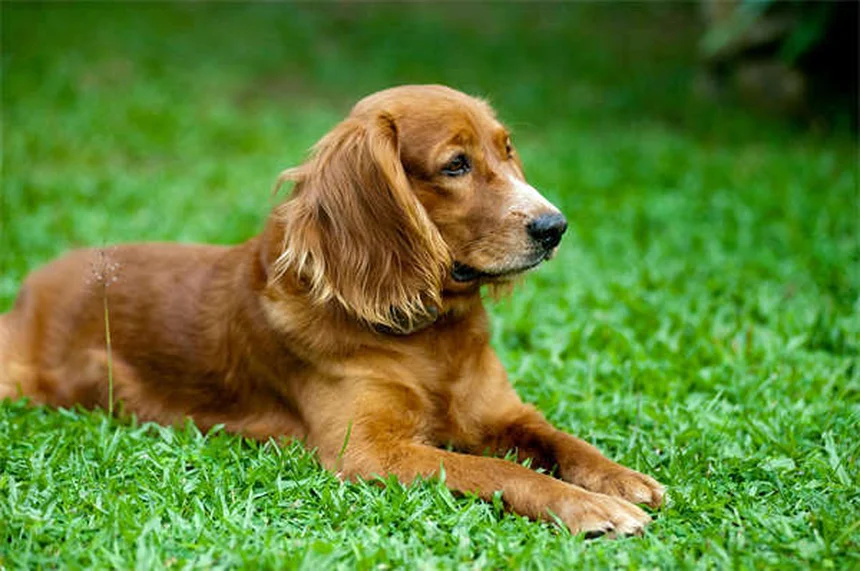 Photos provided by pixabay
Don't Forget These Travel Essentials
Now, let's talk about ID tags and microchips. Why take chances when you can double protect your pup? I always tell my friends to do both - a visible tag with your current phone number and a registered microchip. That way, if your adventurous pup decides to explore solo (which they shouldn't, but we know how dogs are), you've got two ways for them to find their way back to you.
Here's a pro tip from my last camping trip: pack a recent photo of your dog on your phone. If the worst happens and you need to search for them, you'll have a current picture to show around the campground.
Keeping Your Dog Comfortable in Any Weather
Summer Camping: Beat the Heat
You wouldn't hike in a winter coat during summer, right? Well, your dog is basically doing that every day! Their fur coat makes them much more susceptible to heatstroke than we are.
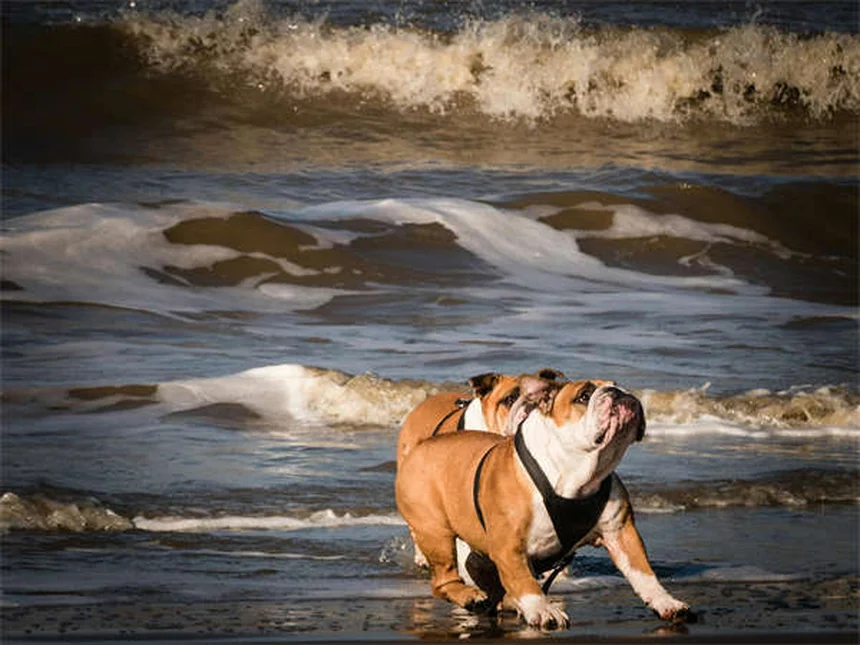
Here's something most people don't realize: panting isn't nearly as efficient as sweating. While we can cool down through our skin, dogs rely mostly on their tongues and paw pads. That's why short-nosed breeds like Bulldogs and Pugs need extra attention in warm weather.
I always pack these heat-beating essentials:
- A collapsible water bowl (or two!)
- Cooling mat or vest
- Portable fan for the tent
- Extra water (twice what you think you'll need)
Winter Camping: Cozy and Safe
Now, let's talk about cold weather camping. Some dogs love snow more than kids love summer vacation! But just like with heat, we need to be careful about temperature extremes.
Did you know that dogs can get frostbite on their ears, tails, and paw pads? It's true! Smaller dogs and short-haired breeds are especially vulnerable. Here's how I keep my dog warm during winter trips:
First, invest in a good dog jacket or sweater. Not those cute but useless fashion pieces - look for something waterproof with proper insulation. Second, check those paws frequently for ice buildup between the toes. And third, bring extra blankets for the tent - your dog will thank you when nighttime temperatures drop.
Choosing the Perfect Dog-Friendly Campsite
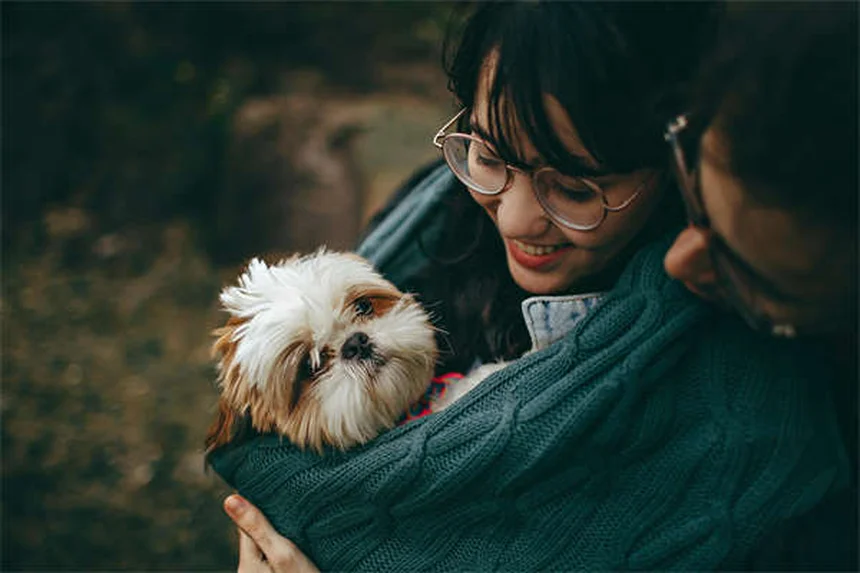 Photos provided by pixabay
Don't Forget These Travel Essentials
Ever notice how dogs find trouble faster than a toddler in a candy store? That's why campsite selection is so important. You want to look for more than just great views - you need to consider your pup's safety too.
Here's a question I get all the time: "Are there really that many dangers at campgrounds?" The answer might surprise you. Even in developed campgrounds, you might encounter:
- Ticks carrying Lyme disease
- Mosquitoes with heartworm
- Wildlife like coyotes or bears
- Poisonous plants
- Other dogs (not all are friendly)
Creating a Safe Space for Your Dog
Once you've picked your spot, it's time to puppy-proof your campsite. I like to set up a designated dog area with:
A sturdy tie-out (never use retractable leashes at camp!), their bed or blanket, and plenty of shade. Keep all food - yours and your dog's - securely stored. Nothing attracts wildlife faster than the smell of kibble or that bacon you brought for breakfast!
One trick I've learned: bring an extra tarp to create a clean, dry area under your tent's rainfly. This gives your dog a comfortable place to lounge while keeping them protected from damp ground and morning dew.
Pre-Trip Vet Check: Don't Skip This!
Why a Vet Visit Matters
Imagine planning this amazing trip only to have your dog get sick on the first day. Not fun, right? That's why I always schedule a vet visit 2-3 weeks before any camping trip.
Your vet can check for things you might miss, like early signs of arthritis that could make hiking painful, or update any vaccinations your dog might need. They'll also make sure your flea, tick, and heartworm prevention is up to date - crucial for outdoor adventures!
 Photos provided by pixabay
Don't Forget These Travel Essentials
While we're talking health, let's discuss first-aid. I don't just mean band-aids (though those help). A proper dog first-aid kit should include:
- Vet wrap (that stretchy bandage that sticks to itself)
- Antiseptic wipes
- Tweezers for ticks or splinters
- Benadryl (ask your vet for proper dosage)
- Any regular medications your dog takes
Pro tip: Pack a copy of your dog's vaccination records and your vet's contact info. Some campgrounds require proof of rabies vaccination, and it's good to have in case of emergencies.
Making Memories That Last
Capturing the Adventure
Okay, let's talk about the fun part - making memories! I always bring a waterproof camera or use my phone's waterproof case to capture those priceless moments. Some of my favorite shots include:
My dog's first time seeing a waterfall (hilarious confusion), that time he tried to befriend a squirrel (didn't go well), and the morning he discovered dew on the grass (zoomies ensued). These are the moments you'll treasure forever.
Creating Camping Traditions
Why not start some special camping traditions with your pup? Maybe it's a special campfire treat (dog-safe, of course), or a particular hike you do every year. One of my friends always buys her dog a new bandana for each trip - it's adorable and helps with identification!
Remember, the goal isn't perfection - it's creating joyful experiences with your four-legged best friend. Even if it rains the whole time or your dog decides the tent is actually a giant chew toy (been there!), you're making memories that will make you both wag your tails for years to come.
Expanding Your Dog's Camping Experience
Training for the Trail
You might think your dog behaves perfectly at home, but the great outdoors presents a whole new set of distractions. Have you ever seen your pup completely ignore you when a squirrel runs by? That's exactly why pre-trip training matters so much.
I recommend starting with basic recall commands in increasingly distracting environments. Begin in your backyard, then move to quiet parks before attempting busy trails. The key is making yourself more exciting than those tempting squirrels! Carry high-value treats like freeze-dried liver or cheese cubes to reward good behavior.
Socialization Beyond the Dog Park
Campgrounds introduce your dog to all sorts of new experiences - strange noises at night, unfamiliar people, and other animals. If your pup only socializes at the local dog park, they might find camping overwhelming.
Take time to expose your dog to different environments before your trip. Walk them near construction sites to get used to loud noises. Visit outdoor cafes to practice calm behavior around food smells. The more varied experiences they have, the better they'll adapt to camping life.
Mealtime in the Wilderness
Keeping Nutrition on Track
Just because you're roughing it doesn't mean your dog's diet should suffer. In fact, with all the extra activity, their nutritional needs might increase. Did you know that hiking dogs can burn up to 50% more calories than usual?
Pack their regular food plus some high-energy snacks. I like to bring:
- Dehydrated meat treats
- Frozen Kong toys stuffed with peanut butter
- Extra portions for particularly active days
Hydration Station Setup
Water is even more crucial than food when camping. Dogs can dehydrate quickly, especially when exploring new terrain. Always carry more water than you think you'll need - I've learned this the hard way after running dry on a hot afternoon hike.
Set up a designated water station at your campsite with a large, spill-proof bowl. For hikes, consider a hands-free water bottle with attached bowl that clips to your pack. And remember - never let your dog drink from stagnant water sources, which can contain harmful bacteria or parasites.
Nighttime Routines Under the Stars
Sleeping Arrangements That Work
Tents aren't exactly spacious, especially when sharing with a four-legged friend. Will your dog sleep inside the tent or in their own space? This is something to decide before your trip.
If sharing your tent, bring a familiar blanket or bed to help your dog feel at home. For dogs sleeping outside, invest in a proper dog tent with weather protection. Either way, include some comfort items from home - that favorite chew toy or the t-shirt you wore yesterday can provide security in the unfamiliar environment.
Handling Nighttime Anxiety
New sounds in the dark can spook even the bravest dogs. Coyote howls, rustling leaves, or distant thunder might trigger anxiety. I always pack a few tools to help my dog stay calm:
| Solution | Best For | Effectiveness |
|---|---|---|
| Thundershirt | General anxiety | High |
| White noise app | Sound-sensitive dogs | Medium |
| Calming treats | Mild nervousness | Varies |
Beyond Basic Camping Activities
Adventure Sports for Dogs
Why stick to simple walks when you can try exciting new activities together? Many dogs thrive when given jobs to do. Consider these adventure options:
Canicross (trail running with your dog) builds incredible bonds while burning energy. For water-loving pups, stand-up paddleboarding offers a fun challenge. Even geocaching becomes more exciting with a canine companion sniffing out the treasures.
Mental Stimulation in Nature
Physical exercise is important, but don't forget about mental workouts. The wilderness provides endless opportunities for nose work games. Hide treats around your campsite or play "find it" with familiar objects.
You can also create simple obstacle courses using natural features - have your dog balance on fallen logs or jump over small streams. These activities prevent boredom while strengthening your connection with your pup.
Post-Trip Care You Shouldn't Skip
The Importance of the Post-Adventure Check
After all that fun, your dog deserves some TLC. Would you believe that many camping-related health issues show up days after returning home? That's why a thorough post-trip inspection is crucial.
Check between toes for foxtails or burrs, examine ears for ticks, and brush out their coat to remove any hitchhiking pests. Pay special attention to any limping or unusual behavior that might indicate overexertion or minor injuries.
Making Memories Last
Don't let the adventure end when you unpack the car! Create a scrapbook with photos, trail maps, and your dog's "souvenirs" like a special rock or pinecone they found. These become cherished mementos of your time together.
You could even start a tradition of buying your dog a new tag or collar charm after each trip. Before you know it, you'll have a collection that tells the story of all your adventures together.
E.g. :Camping With a Dog: How, What to Bring, & Safety Tips
FAQs
Q: What's the safest way to transport my dog when camping?
A: The safest way to transport your dog is either in a crash-tested harness or a sturdy travel crate secured to your vehicle. I always recommend the crate option for longer trips - it gives your pup their own space and prevents them from becoming a dangerous projectile in case of sudden stops. According to the Center for Pet Safety, most regular walking harnesses won't protect your dog in an accident. Make sure whatever option you choose is properly sized and installed - a loose harness or unsecured crate defeats the whole purpose. And don't forget to take frequent breaks for bathroom stops and water!
Q: How can I protect my dog from wildlife while camping?
A: Protecting your dog from wildlife starts with smart campsite selection and proper supervision. Always keep your dog on a short leash (never retractable) when outside your tent, and never leave them tied up unattended. I've found that keeping all food - including your dog's - in bear-proof containers or locked in your vehicle significantly reduces wildlife encounters. Make noise when hiking to alert animals of your presence, and consider carrying bear spray in areas with large predators. Remember, even small animals like raccoons can be dangerous if they feel threatened!
Q: What temperature is too hot or cold for dog camping?
A: As a general rule, if it's too extreme for you, it's too extreme for your dog. For heat, anything above 85°F becomes risky, especially for breeds with thick coats or short noses. In cold weather, temperatures below freezing require extra precautions like dog jackets and paw protection. I always check the weather forecast thoroughly before any trip and have backup plans for extreme conditions. A good tip: test the ground temperature with your bare hand - if it's too hot or cold for your skin, it's definitely uncomfortable for your dog's paws!
Q: What should I include in a dog camping first-aid kit?
A: Your dog's first-aid kit should include vet wrap, antiseptic wipes, tweezers (for ticks or splinters), Benadryl (with proper dosage from your vet), any regular medications, and a copy of vaccination records. I also pack extra supplies like a spare leash, poop bags, and an emergency blanket. Don't forget contact information for nearby emergency vets at your destination. Pro tip: include some high-value treats - they can help keep your dog calm if you need to treat minor injuries on the go!
Q: How can I make sure my dog is comfortable camping overnight?
A: Making your dog comfortable starts with bringing familiar items from home - their regular bed, favorite blanket, or even a worn t-shirt with your scent. I always set up a designated dog area at camp with proper shade and protection from the elements. For tent sleeping, bring an extra sleeping pad or blanket to insulate them from the cold ground. Gradually acclimate your dog to camping by starting with backyard overnighters before longer trips. And remember - if your dog seems stressed or uncomfortable, be prepared to cut the trip short for their wellbeing.