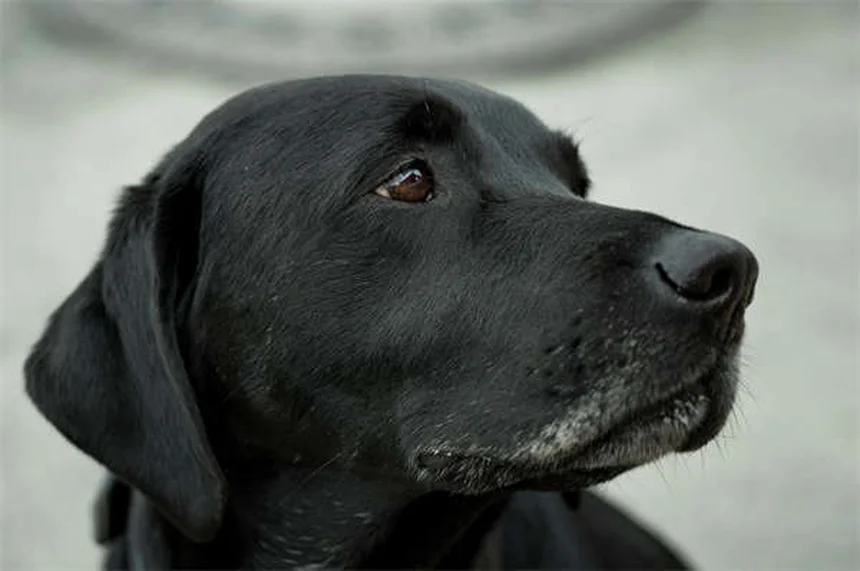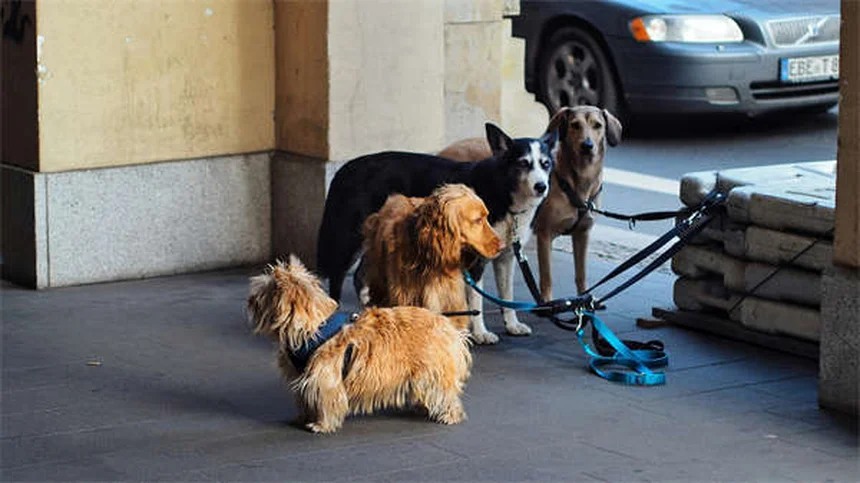
What is gentamicin for dogs? Gentamicin is a powerful antibiotic that veterinarians commonly prescribe to treat bacterial infections in dogs, particularly for skin, ear, and eye issues. The answer is: Yes, gentamicin can be highly effective for your dog's infection when used properly under veterinary supervision. I've seen countless cases where gentamicin made the difference between a miserable pup and a happy, healthy dog. But here's what you need to know - while it's generally safe, gentamicin isn't right for every dog or every infection. Your vet will consider factors like your dog's age, health status, and the type of infection before prescribing it. The most common forms you'll encounter are GentaVed® spray for skin problems and Gentocin® drops for eye infections. Remember, we're talking about prescription medication here - you can't just pick this up at the pet store. If your dog's scratching their ears raw or has goopy eyes, gentamicin might be part of the solution, but only your vet can make that call.
E.g. :Best Pet Insurance for Pre-Existing Conditions: What's Really Covered?
- 1、Gentamicin: Your Pet's Bacterial Infection Fighter
- 2、How Gentamicin Works Its Magic
- 3、Using Gentamicin Like a Pro
- 4、Potential Side Effects: What to Watch For
- 5、Storage and Safety
- 6、Gentamicin FAQs Answered
- 7、Beyond the Basics: What Else You Should Know About Gentamicin
- 8、Gentamicin Alternatives Worth Considering
- 9、The Financial Side of Gentamicin Treatment
- 10、Gentamicin in Special Situations
- 11、The Future of Gentamicin in Veterinary Medicine
- 12、FAQs
Gentamicin: Your Pet's Bacterial Infection Fighter
What Exactly Is This Medication?
Let me break it down for you - gentamicin is like a superhero antibiotic that fights bacterial infections in dogs and cats. The FDA gave it the thumbs up, and it comes in different forms:
- Topical sprays (like GentaVed® for skin issues)
- Eye drops (Gentocin® Durafilm® for eye infections)
- Ear ointments (GentaOtic™, EasOtic® for ear troubles)
Now here's something interesting - sometimes gentamicin teams up with other medications like corticosteroids or antifungals to create a stronger treatment combo. Think of it like assembling the Avengers of pet medicine!
When Do Vets Reach for Gentamicin?
Your vet might prescribe gentamicin when your furry friend has:
| Infection Type | Common Symptoms | Typical Treatment |
|---|---|---|
| Ear infections | Head shaking, odor, discharge | GentaOtic™ or EasOtic® |
| Skin infections | Redness, itching, sores | GentaVed® spray |
| Eye infections | Discharge, squinting, redness | Gentocin® eye drops |
Important note: While vets sometimes use injectable gentamicin for horses, we don't typically use this form for dogs or cats because it can be too harsh on their systems.
How Gentamicin Works Its Magic
 Photos provided by pixabay
The Science Behind the Treatment
Ever wonder how gentamicin actually fights infections? It's part of the aminoglycoside antibiotic family, and here's the cool part - it sneaks into bacteria and messes with their DNA, preventing them from making proteins they need to survive. No proteins? No problem (for your pet, that is)! The bacteria literally can't grow or reproduce.
But wait - is gentamicin safe for every pet? Not exactly. If your dog or cat has kidney or liver issues, we need to be extra careful. That's why your vet will ask about your pet's complete health history before prescribing it.
Special Cases: Compounded Medications
Sometimes the standard formulations don't cut it. Maybe your cat refuses to take pills, or your dog needs a specific dosage that's not available. That's when veterinary specialists might recommend compounded gentamicin - custom-made medications tailored to your pet's needs.
But here's the catch - these compounded versions aren't FDA-approved. They're like bespoke suits for your pet's health, created by licensed professionals when standard options won't work.
Using Gentamicin Like a Pro
Application Tips and Tricks
Applying gentamicin isn't rocket science, but there are some important pointers:
- Always wear gloves - you don't want to spread bacteria or have medication on your skin
- For sprays: Avoid open wounds and keep your pet from licking the area for at least 30 minutes
- For eyes: Get a vet check first - using it on deep eye wounds can cause damage
- For ears: Same deal - no treatment until we're sure the eardrum is intact
What if you forget a dose? Don't panic! Give it when you remember, unless it's almost time for the next dose. Never double up - that's asking for trouble.
 Photos provided by pixabay
The Science Behind the Treatment
Did you know gentamicin can affect humans too? If you're allergic to cortisone or similar antibiotics, take extra precautions:
- Wear gloves every time
- Wash hands thoroughly after application
- If it gets on your skin, rinse immediately
- Keep away from your eyes
Accidental ingestion? Call Poison Control at 800-222-1222 pronto!
Potential Side Effects: What to Watch For
Common Reactions
Most pets handle gentamicin well, but let's be real - every medication can have side effects. With gentamicin, what you might see depends on the formulation:
With corticosteroids (common in ear/eye meds):
- Your pet might turn into a bottomless pit - increased appetite
- Frequent bathroom breaks - increased thirst and urination
- Skin changes like thinning or hair loss
Eye-specific reactions:
- Redness or irritation (like when you get shampoo in your eyes)
- Mild burning sensation
Serious But Rare Reactions
While uncommon, gentamicin ear meds can sometimes cause:
- Sudden hearing loss (your pet stops responding to sounds)
- Balance issues - head tilting or walking in circles
- Digestive upset - vomiting or diarrhea
See any of these? Call your vet immediately! Better safe than sorry when it comes to your furry family member.
Storage and Safety
 Photos provided by pixabay
The Science Behind the Treatment
Storing gentamicin properly keeps it effective. Here's the scoop:
- Room temperature (59-86°F) is perfect - not too hot, not too cold
- Keep it in its original container
- Protect from light and moisture (bathroom cabinets aren't ideal)
- Out of reach of kids and pets - no curious noses or paws!
Compounded meds might have special storage needs - always check that pharmacy label.
Gentamicin FAQs Answered
Common Questions Pet Parents Ask
Can I use gentamicin spray on my dog's hot spots?
Yes, but only if your vet confirms it's a bacterial infection. Don't just grab the spray for every itch - we need the right diagnosis first.
Is gentamicin safe for my kitten?
Most formulations are FDA-approved for dogs only. Your vet might use it off-label for cats in some cases, but never without professional guidance.
How long until I see improvement?
You should notice some difference within a few days for minor infections. If not, check back with your vet - the bacteria might be resistant or it could be something else entirely.
When to Sound the Alarm
Call your vet ASAP if:
- Your pet's condition worsens
- You see severe side effects
- You suspect an overdose
- You have any concerns (we'd rather answer your questions than have you worry!)
Remember, gentamicin is a powerful tool in your pet's healthcare arsenal when used correctly. Follow your vet's instructions, watch for reactions, and don't hesitate to ask questions. Your furry friend's health is worth it!
Beyond the Basics: What Else You Should Know About Gentamicin
The Hidden Dangers of Self-Prescribing
You might think, "Hey, this worked for my dog last time - why not use it again?" Here's the thing - using gentamicin without veterinary guidance is like playing Russian roulette with your pet's health. Different bacterial strains require different treatments, and what worked before might be completely ineffective now.
Let me share a story from my vet friend - a client used leftover gentamicin ear drops for their dog's "ear infection" that turned out to be a grass seed stuck deep in the ear canal. By the time they came in, the poor pup needed surgery! Moral of the story? Always get a professional diagnosis first.
The Rise of Antibiotic Resistance
Did you know that improper antibiotic use contributes to superbugs? It's true! When we use gentamicin incorrectly (wrong dose, wrong duration), we're basically training bacteria to become resistant. Think of it like this - if you only half-finish your workout, you won't get stronger. But bacteria? They get stronger when we don't finish the job.
Here's a quick comparison of proper vs improper antibiotic use:
| Proper Use | Improper Use |
|---|---|
| Complete full course as prescribed | Stopping when symptoms improve |
| Using only for diagnosed bacterial infections | Using for viral infections or "just in case" |
| Following exact dosage instructions | Eyeballing measurements or doubling up |
Remember, we're all in this together - responsible antibiotic use protects not just your pet, but the entire pet community.
Gentamicin Alternatives Worth Considering
When Gentamicin Isn't the Right Fit
Sometimes gentamicin isn't the best choice for your furry friend. Maybe they've had bad reactions before, or perhaps they have underlying health conditions. In these cases, your vet might suggest alternatives like:
For ear infections: Silver-based solutions or acetic acid cleaners can work wonders for mild cases. They create an environment where bacteria struggle to survive - like making the neighborhood too tough for the bad guys to hang out.
For skin issues: Chlorhexidine shampoos or honey-based topical treatments (yes, honey!) can be surprisingly effective. Nature's original antibiotic comes to the rescue!
The Power of Probiotics
Here's something most pet owners don't think about - antibiotics don't discriminate between good and bad bacteria. That's why adding probiotics during and after gentamicin treatment can be a game-changer. It's like sending in reinforcements to rebuild your pet's gut microbiome after the antibiotic "bomb" goes off.
You can find pet-specific probiotics in various forms:
- Powders to mix with food
- Chewable tablets (most dogs think they're treats!)
- Special probiotic-rich foods
Just remember - timing matters. Give probiotics at least 2 hours apart from antibiotics, or they'll cancel each other out.
The Financial Side of Gentamicin Treatment
Understanding the Cost Factors
Ever wonder why gentamicin treatments vary so much in price? It's not just about the medication itself. Several factors come into play:
Formulation matters - eye drops typically cost less than ear ointments because of the different delivery systems. Compounded versions? Those can cost significantly more due to the customization.
Brand name vs generic - you might save 30-50% going with the generic version, but check with your vet first. Sometimes the inactive ingredients differ, which could affect your pet.
Insurance and Payment Options
Did you know many pet insurance plans cover prescription medications like gentamicin? It's worth checking your policy details. Some plans even cover compounded medications if they're medically necessary.
If insurance isn't an option, ask your vet about:
- Payment plans (many clinics offer these now)
- Manufacturer rebates or coupons
- Local animal welfare programs that help with vet costs
Your vet's office staff can be a goldmine of information about making treatment more affordable - don't be shy about asking!
Gentamicin in Special Situations
Pregnant or Nursing Pets
Here's a question I get a lot - is gentamicin safe for pregnant or nursing animals? The short answer: it depends. While topical applications are generally considered safer, systemic use (like injections) can potentially affect fetal development.
Your vet will weigh the risks vs benefits carefully. Sometimes, if the infection is serious enough, they might proceed with treatment but monitor extra closely. Other times, they might opt for alternative antibiotics with better safety profiles.
Senior Pets and Gentamicin
Older pets often have reduced kidney function, which makes gentamicin use trickier. But does that mean it's off the table completely? Not necessarily! With proper dosing adjustments and careful monitoring, many senior pets can still benefit from this medication.
The key is working closely with your vet to:
- Monitor kidney values before and during treatment
- Adjust dosage based on your pet's specific needs
- Watch for signs of toxicity like increased thirst or changes in urination
Remember, age isn't a disease - it's just another factor we consider when creating the best treatment plan.
The Future of Gentamicin in Veterinary Medicine
New Research and Developments
Scientists are constantly working on improving how we use gentamicin. Some exciting areas of research include:
Targeted delivery systems: Imagine gentamicin that only activates at the infection site, reducing side effects. Researchers are working on special formulations that do just that!
Combination therapies: Pairing gentamicin with other compounds to enhance effectiveness while lowering required doses. It's like having backup singers that make the lead vocalist sound even better.
The Role of Genetic Testing
Here's something fascinating - we're moving toward an era where genetic testing might help predict which antibiotics will work best for your pet's specific infection. No more guessing games! This could revolutionize how we use gentamicin and other antibiotics.
While this technology isn't mainstream yet, some specialty veterinary hospitals already offer these tests for complicated or recurrent infections. Ask your vet if it might be appropriate for your pet's situation.
The bottom line? Gentamicin remains a valuable tool in veterinary medicine, but how we use it continues to evolve. Staying informed helps you be the best advocate for your pet's health!
E.g. :Gentamicin (Gentocin®) for Dogs and Cats | PetPlace.com
FAQs
Q: Can I use gentamicin for my dog's ear infection?
A: Yes, but only if your vet prescribes it. Many gentamicin ear medications like GentaOtic™ are specifically formulated for canine ear infections. Here's the catch - your vet needs to examine your dog's ears first to make sure the eardrum isn't damaged. Using gentamicin in an ear with a perforated eardrum can lead to serious complications. I always tell my clients to look for signs like head shaking, odor, or discharge, but never to self-diagnose. The treatment typically involves cleaning the ear first, then applying the medication as directed. Most dogs show improvement within a few days, but you'll need to complete the full course even if symptoms disappear earlier.
Q: What are the most common side effects of gentamicin in dogs?
A: The side effects depend on which form of gentamicin your dog is using. For topical sprays, you might see some mild skin irritation. With ear medications, temporary redness or discomfort can occur. The more serious but rare side effects include hearing loss or balance problems - if your dog starts tilting their head or walking in circles, stop the medication and call your vet immediately. Many gentamicin formulations contain steroids too, which can increase thirst and appetite. I always recommend monitoring your dog closely during treatment and keeping your vet informed about any changes, no matter how small they seem.
Q: How long does it take for gentamicin to work on my dog's skin infection?
A: You should start seeing improvement in your dog's skin infection within 3-5 days of starting gentamicin treatment, assuming it's the right antibiotic for the bacteria causing the infection. But here's the important part - complete the full course even if the skin looks better! Stopping early is like leaving a fire half-put-out - the infection can come roaring back. Most treatment courses last 7-14 days. I advise my clients to take before-and-after photos to track progress objectively. If you don't see any improvement after 5 days, contact your vet - the bacteria might be resistant, or it might not be a bacterial infection at all.
Q: Is gentamicin safe for puppies and senior dogs?
A: Gentamicin can be used in puppies and older dogs, but we take extra precautions. For puppies, we consider their developing systems and often start with lower doses. With senior dogs, we're especially careful about kidney function since gentamicin is processed through the kidneys. I always recommend blood work before prescribing gentamicin to older dogs. The key is proper veterinary supervision - we might adjust the dosage or choose a different treatment approach based on your dog's individual health status. Never use gentamicin (or any antibiotic) in very young or elderly dogs without veterinary guidance.
Q: Can my other pets lick the area where I applied gentamicin?
A: Absolutely not! This is one of the most important safety precautions. You need to prevent other pets from licking the treated area for at least 30 minutes after application. I've seen cases where one dog licked another's medication and got sick. The best approach is to separate treated pets temporarily or use an Elizabethan collar if necessary. Also, always wash your hands after handling gentamicin, and consider wearing gloves during application. Remember, what's medicine for one pet could be harmful to another - or even to humans in some cases.