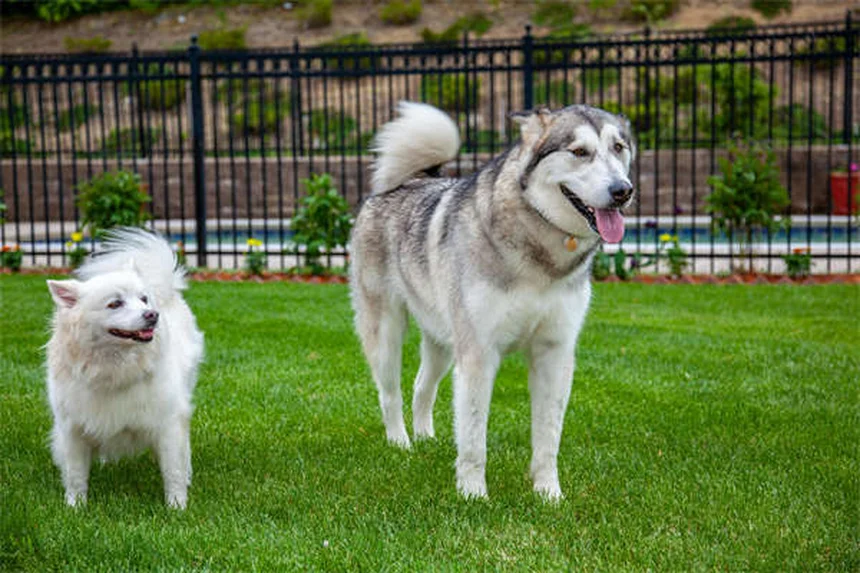
Why does my dog have dry, flaky skin? The answer is: multiple factors can cause your pup's uncomfortable skin condition! From pesky fleas you can't even see to that bargain dog food you bought last week, your dog's skin is reacting to something in their environment or diet. I've seen hundreds of cases in my practice, and let me tell you - the solution is often simpler than you'd think. Most dogs with dry skin just need some basic adjustments to their care routine. But here's what you need to know first: if your dog's scratching is keeping you both up at night, or if you see redness, sores, or excessive flaking, it's time to call your vet. The good news? With proper treatment, your dog can go from scratchy to shiny in no time!
E.g. :How to Train Your Dog to Lie Down Anywhere: Expert Tips from a Certified Trainer
- 1、Why Does My Dog Have Dry, Flaky Skin?
- 2、When Should You Worry About Doggy Dandruff?
- 3、The Vet Visit: What Really Happens
- 4、Home Care That Actually Works
- 5、Prevention Is Cheaper Than Treatment
- 6、When to Call the Vet (And When to Wait)
- 7、Long-Term Skin Health Strategies
- 8、Special Cases: Puppies and Senior Dogs
- 9、The Hidden Connection Between Your Dog's Skin and Their Gut
- 10、Seasonal Skin Changes You Shouldn't Ignore
- 11、The Emotional Side of Skin Problems
- 12、Grooming Tools That Actually Help
- 13、When Alternative Therapies Make Sense
- 14、The Financial Side of Skin Care
- 15、Your Dog's Skin Through the Years
- 16、FAQs
Why Does My Dog Have Dry, Flaky Skin?
The Mystery Behind Your Pup's Itchy Coat
Ever noticed your dog scratching like they're practicing for a breakdancing competition? Dry, flaky skin is one of those annoying problems that can turn your pup's life into an itchy nightmare. But what's really causing all that discomfort?
Let me break it down for you. Your dog's skin is like their personal weather report - when something's off, it shows. We're talking everything from allergies to parasites, and even what's in their food bowl. The most common culprits? Fleas (yes, even if you don't see them) and diet issues. But here's something you might not know - that space heater Fido loves to sleep next to could be drying out his skin too!
Spotting the Signs Before They Get Worse
Your dog can't tell you when something's wrong, but their skin sure can. Look for these red flags:
| Symptom | What It Might Mean |
|---|---|
| Dandruff/flakes | Dry skin, diet issues, or allergies |
| Excessive scratching | Fleas, mites, or skin irritation |
| Red patches | Inflammation or infection |
| Greasy coat | Seborrhea or bacterial issues |
Did you know that over-bathing your dog can actually make skin problems worse? It's true! While we humans shower daily, most dogs only need a bath every 2-4 weeks unless they've rolled in something particularly disgusting.
When Should You Worry About Doggy Dandruff?
 Photos provided by pixabay
Normal Shedding vs. Problem Skin
All dogs shed - some more than others. But when does normal flaking cross the line into skin trouble? Here's a simple test: if the flakes are accompanied by redness, odor, or your dog seems uncomfortable, it's vet time.
I once had a client whose golden retriever had flakes the size of cornflakes! Turns out, poor Bailey was allergic to the new laundry detergent they were using. Moral of the story? Small changes can cause big skin problems.
Emergency Signs You Can't Ignore
While most skin issues aren't life-threatening, some symptoms scream "vet now!":
- Open sores or bleeding
- Sudden hair loss in patches
- Extreme scratching leading to self-injury
- Swelling or hot spots
Ever wonder why your vet asks so many questions about your dog's home life? Here's why: that weekly bath you're giving with human shampoo? Could be the problem. The bargain-brand food that saves you $5 a bag? Might be costing your dog their healthy coat.
The Vet Visit: What Really Happens
Diagnosing the Itch: More Than Just Looking
When you bring your itchy pup to the vet, expect more than just a quick glance. We do detective work! First comes the full-body exam - checking between toes, inside ears, and all those hidden spots where problems like to hide.
Then comes the fun part (for us, not your dog): tests! We might do skin scrapings to check for microscopic bugs, flea combing (even if you swear there are no fleas), or sometimes even bloodwork. Remember Mrs. Johnson's poodle last year? Looked like simple dry skin but turned out to be hypothyroidism - that's why we check everything!
 Photos provided by pixabay
Normal Shedding vs. Problem Skin
Here's a pro tip: take pictures of your dog's skin issues before your appointment. Why? Because symptoms can change day to day, and what we see in the exam room might not be the whole story. A picture of that weird rash from three days ago could be the clue that cracks the case!
Think about it - would you describe a sunset to someone, or show them a photo? Exactly. Same principle applies to your dog's skin problems.
Home Care That Actually Works
Bathing: The Goldilocks Approach
Not too much, not too little - bathing your dog needs to be just right. Most dogs do great with a bath every 2-4 weeks using a mild oatmeal shampoo. But here's the kicker - water temperature matters! Lukewarm is perfect; hot water dries out skin faster than a desert wind.
I've seen dogs whose skin improved dramatically just from switching to proper bathing routines. Take Buddy, the Labrador who came in looking like he'd been dusted with powdered sugar. After adjusting his bath schedule and shampoo? Glossier than a magazine cover model!
Diet Changes That Make a Difference
You are what you eat, and that goes double for dogs. Many skin issues stem from food allergies or poor nutrition. But before you go emptying your wallet on fancy foods, talk to your vet. Sometimes a simple supplement like fish oil can work wonders.
Here's a comparison of common diet solutions:
| Solution | Cost | Effectiveness |
|---|---|---|
| Prescription diet | $$$ | High for specific conditions |
| OTC sensitive skin food | $$ | Moderate |
| Fish oil supplements | $ | Good for mild cases |
Prevention Is Cheaper Than Treatment
 Photos provided by pixabay
Normal Shedding vs. Problem Skin
Here's a shocking fact: one flea can cause weeks of misery for your dog. That's why year-round prevention is non-negotiable, no matter where you live. Modern flea treatments don't just kill fleas - they prevent the allergic reactions that cause so much itching.
Remember Max, the terrier who came in with raw patches all over his back? His owner swore there were no fleas. Five minutes with a flea comb proved otherwise. One month on proper prevention, and Max was back to his handsome self.
Environmental Tweaks for Healthy Skin
Your home environment plays a bigger role than you might think. Dry air? Try a humidifier. Hard water? Consider a filter. That favorite sunny spot by the window? Might need some shade breaks. Small changes can make a big difference in your dog's comfort.
Think about your own skin in winter - dry, itchy, uncomfortable. Now imagine wearing a fur coat 24/7 in those conditions! That's what your dog deals with when the air gets dry.
When to Call the Vet (And When to Wait)
The 48-Hour Rule
Most minor skin irritations will improve within two days with simple care. No better after 48 hours? Time for professional help. But if you see any of those emergency signs we talked about earlier, don't wait - call immediately.
Here's something most dog owners don't realize: chronic skin issues often start as minor problems that get ignored. Catching them early means simpler, cheaper treatment. That rash you're hoping will go away on its own? Might turn into a $500 vet bill if you wait too long.
At-Home First Aid
While waiting for your vet appointment, you can:
- Use an oatmeal shampoo bath for temporary relief
- Apply a cool compress to itchy spots
- Brush gently to remove loose flakes
- Prevent scratching with a cone if needed
Just avoid human medications unless your vet specifically recommends them. That Benadryl in your cabinet? Might help - or might make things worse depending on what's really causing the problem.
Long-Term Skin Health Strategies
The Power of Routine Care
Healthy skin starts with consistent care. Regular brushing does more than just make your dog look good - it stimulates natural oils that keep skin moisturized. Nail trims matter too - long nails mean awkward walking, which can lead to skin irritation from abnormal pressure.
I always tell clients: think of your dog's skin care like dental care. A little effort every day prevents big problems (and big bills) down the road. That five minutes of brushing while watching TV? More valuable than you realize!
Supplements That Actually Help
While no supplement is magic, some can really boost skin health:
- Omega-3 fatty acids (fish oil)
- Vitamin E
- Probiotics
- Zinc (for certain breeds)
But here's the catch: not all supplements are created equal. That cheap store-brand fish oil might contain less active ingredient than the label claims. Always ask your vet for brand recommendations - we know which products actually deliver results.
Special Cases: Puppies and Senior Dogs
Puppy Skin: Extra Delicate
Puppy skin is like baby skin - super sensitive! What's normal for an adult dog might be a red flag in a pup. Puppy dandruff often signals diet issues or environmental stress. And those adorable wrinkles? Perfect breeding grounds for bacteria if not kept clean and dry.
Little Bella, the bulldog puppy, taught me this lesson. Her owner thought the flakes were normal - turned out she needed a different food and more frequent wrinkle cleaning. Problem solved!
The Senior Dog Challenge
Older dogs face different skin issues. Thinner skin, slower healing, and underlying health conditions all play a role. That "dry skin" might actually be hormonal imbalance or decreased oil production. Regular vet checks become even more important as your dog ages.
Here's something heartwarming though - with proper care, senior dogs can have gorgeous coats well into their golden years. Take 14-year-old Duke, whose coat looked better at his last checkup than it did at age 5!
The Hidden Connection Between Your Dog's Skin and Their Gut
Your Dog's Second Brain: The Gut-Skin Axis
Did you know your dog's digestive system directly affects their skin health? About 70% of immune system cells live in the gut, which explains why tummy troubles often show up as skin problems. When that delicate balance gets disrupted, inflammation can travel straight to the skin's surface.
I've seen countless dogs whose chronic itching completely disappeared after we fixed their gut health. Take Charlie, the beagle who licked his paws raw - turns out his probiotic deficiency was the root cause all along. Now he's got the shiniest coat in his neighborhood!
Probiotics vs. Prebiotics: What's the Difference?
Let's clear up some confusion about these gut helpers:
| Type | What It Does | Best Food Sources |
|---|---|---|
| Probiotics | Live beneficial bacteria | Fermented foods, yogurt |
| Prebiotics | Food for good bacteria | Chicory root, bananas |
Here's a fun fact - some high-quality dog foods now include both! But always check with your vet before making changes, especially if your pup has a sensitive stomach.
Seasonal Skin Changes You Shouldn't Ignore
Winter Woes: The Indoor Heating Effect
That cozy heater keeping you warm? It's sucking moisture right out of your dog's skin! Humidity levels below 30% create perfect conditions for flaky skin. Try placing bowls of water near heat sources or investing in a humidifier - your dog's skin will thank you.
Last winter, I treated a poodle named Snowball (ironic, right?) whose skin improved dramatically just from adding a humidifier near her favorite sleeping spot. Simple solutions often work best!
Summer Surprises: Sunburn and Chlorine
Wait - dogs can get sunburned? Absolutely! Light-colored and short-haired breeds especially need protection. And that pool your labrador loves? Chlorine strips natural oils faster than you can say "fetch!"
Here's a pro tip: rinse your dog with fresh water after swimming and look for pet-safe sunscreens. My neighbor's pitbull, Tank, wears a stylish UV-protective shirt at the beach - functional and fashionable!
The Emotional Side of Skin Problems
Stress: The Silent Skin Aggravator
Ever notice your dog scratches more during thunderstorms or when you're away? Stress-induced itching is real! Cortisol (the stress hormone) can trigger inflammation that manifests as skin irritation.
I'll never forget Luna, the anxious rescue dog whose bald patches completely grew back after her owner started using calming pheromone diffusers. Sometimes the itch starts in the mind, not the skin!
Boredom Licking: More Common Than You Think
That constant paw licking might not be allergies at all - some dogs develop obsessive grooming habits from lack of stimulation. Interactive toys and increased exercise often work better than medications for these cases.
Remember - a tired dog is a happy dog (with healthy skin)! My friend's border collie stopped chewing his tail raw after they started daily puzzle toy sessions.
Grooming Tools That Actually Help
Brush Selection: It's Not One-Size-Fits-All
Choosing the right brush is like picking the perfect hairbrush - it depends on your dog's coat type. Slicker brushes work wonders for long-haired breeds, while rubber curry brushes are perfect for short coats.
Here's something most owners don't realize - proper brushing distributes natural oils better than any topical treatment. My client's golden retriever went from flaky to fabulous just by switching from a cheap brush to a high-quality one!
The Magic of Moisturizing Sprays
Between baths, leave-in conditioning sprays can be game-changers. Look for aloe-based formulas without alcohol. Spray lightly and brush through for instant shine and hydration.
Pro tip: Keep a spray bottle by your grooming tools. A quick spritz before brushing makes the process more comfortable and beneficial for your dog's skin.
When Alternative Therapies Make Sense
Acupuncture for Skin Conditions?
You might laugh, but I've seen acupuncture work wonders for dogs with chronic skin inflammation! It helps by reducing systemic inflammation and improving circulation. The best part? Most dogs find it relaxing once they get used to it.
My most skeptical client became a believer when his shar-pei's stubborn skin folds cleared up after just three sessions. Sometimes traditional medicine needs a complementary approach!
Herbal Remedies That Actually Work
Before you dismiss "hippie treatments," consider this: many veterinary dermatologists recommend chamomile rinses for irritated skin. Cooled chamomile tea makes a soothing topical treatment for mild flare-ups.
Just remember - "natural" doesn't always mean safe. Always consult your vet before trying home remedies, especially with essential oils which can be toxic to pets.
The Financial Side of Skin Care
Insurance Coverage You Might Not Know About
Many pet insurance policies cover chronic skin conditions if they're not pre-existing. That $500 allergy test? Might be mostly reimbursable! Always read the fine print and ask about dermatology coverage.
Here's a money-saving tip: Ask your vet about payment plans if costs worry you. Most clinics would rather work with you than see a pet go untreated!
Preventative Care Saves Big Bucks
Think flea prevention is expensive? Try treating a full-blown flea allergy dermatitis! An ounce of prevention truly is worth a pound of cure in veterinary dermatology.
Consider this comparison:
| Prevention | Cost/Month | Treatment Cost If Neglected |
|---|---|---|
| Flea prevention | $15-25 | $300+ |
| Omega-3 supplements | $10-20 | $200+ for skin infections |
Your Dog's Skin Through the Years
Puppy to Adult: The Changing Needs
That soft puppy coat doesn't last forever! As your dog matures, their skin becomes less permeable and more prone to dryness. Adjust care routines gradually - what worked at 6 months might not cut it at 3 years.
Fun fact: Some breeds actually change coat texture completely as adults. Ever seen a poodle puppy? Their fluffy baby fur transforms into those signature tight curls!
The Golden Years: Special Considerations
Senior dogs produce fewer natural oils, making gentle moisturizing crucial. But here's the catch - their skin also becomes thinner, so harsh products can cause more harm than good.
My 14-year-old patient, Buddy, thrives on weekly gentle brushing with a boar bristle brush and monthly oatmeal baths. Simple, consistent care keeps his senior skin healthy and comfortable!
E.g. :Dog Dry Skin: Causes, Treatments, and Prevention | PetMD
FAQs
Q: Can I use human moisturizer on my dog's dry skin?
A: Absolutely not! While it might be tempting to grab your favorite lotion when you see Fido scratching, human products can be toxic to dogs. Their skin has a different pH balance than ours, and many ingredients we tolerate can cause serious reactions in pets. Instead, try an oatmeal bath with dog-specific shampoo - it's safer and often more effective. I recommend products with natural ingredients like aloe vera or coconut oil that are formulated specifically for canine skin. Remember, when in doubt, check with your vet before putting anything new on your dog's skin!
Q: How often should I bathe my dog if they have dry skin?
A: Here's the golden rule: most dogs with dry skin do best with baths every 2-4 weeks. Bathing too frequently strips away natural oils that protect their skin, while not bathing enough allows irritants to build up. Use lukewarm water (hot water dries skin faster) and a gentle, moisturizing shampoo. Pro tip: after the bath, pat dry instead of rubbing vigorously. I've seen cases where just adjusting bath frequency solved 80% of a dog's skin problems!
Q: Are certain dog breeds more prone to dry skin?
A: You bet! Some breeds are practically born with a "handle with care" label for their skin. Bulldogs, Dalmatians, and Dobermans often struggle with sensitive skin, while breeds like Golden Retrievers may develop flakiness due to their dense coats. But here's what many owners don't realize: any dog can develop dry skin if their care isn't tailored to their needs. That's why I always tell my clients - know your dog's breed tendencies, but don't assume skin issues are "just how they are." Proper care can make a world of difference!
Q: Can diet really affect my dog's skin condition?
A: Diet is huge when it comes to canine skin health! Many commercial foods lack sufficient omega fatty acids that maintain skin's moisture barrier. I've seen dramatic improvements just by adding a quality fish oil supplement or switching to a food with better ingredients. Look for foods containing salmon, flaxseed, or vitamin E. But beware of sudden diet changes - transition slowly over 7-10 days to avoid stomach upset. My rule of thumb: if you wouldn't eat it, think twice about feeding it to your dog!
Q: When should I worry about my dog's dry skin?
A: While occasional flakes might not be alarming, these red flags mean vet time: excessive scratching, hair loss, sores, or changes in skin color. Also watch for signs of infection like odor or pus. Here's what many owners miss: if your dog seems uncomfortable (restless, not sleeping well, or constantly licking), that's reason enough to get checked out. I always say - better to visit once for nothing than wait until a small problem becomes big (and expensive) to treat!