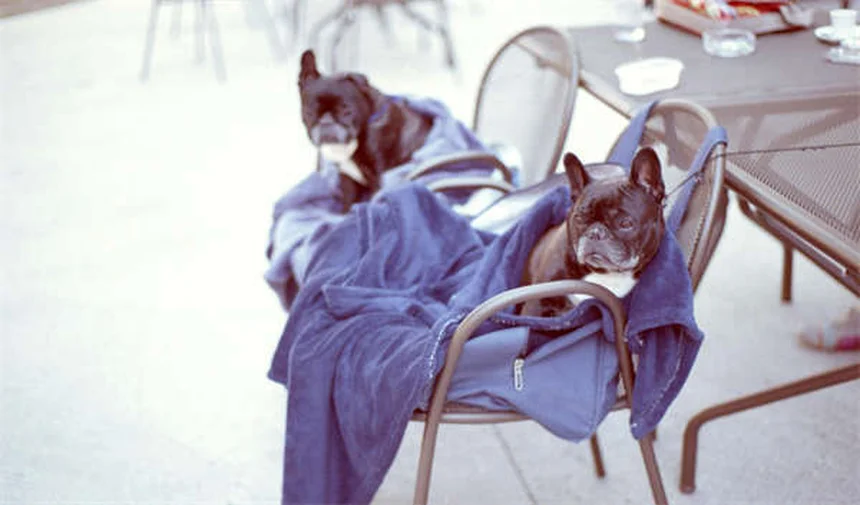
How to train your dog to lie down anywhere? The answer is simple: with patience, practice, and the right techniques. As a certified dog behavior consultant with over a decade of experience at Fun Paw Care in Los Angeles, I can tell you that teaching the down command in different environments is absolutely achievable. The key is understanding that your dog isn't being stubborn when they don't listen outside - they're just confused by all the new sights, sounds, and smells. Think about it this way: if someone suddenly asked you to do your job perfectly while standing in the middle of Times Square, you'd probably struggle too! That's exactly what we're asking of our dogs when we expect them to perform commands flawlessly in new places without proper training. In this guide, I'll share the exact methods I use with my clients to help their dogs master the down command everywhere from quiet parks to busy city streets. You'll learn why environment matters so much to dogs, how to build up their skills gradually, and my professional tips for troubleshooting common problems.
E.g. :Hyperestrogenism in Ferrets: Symptoms, Causes & Treatment Guide
- 1、Meet Your Dog's New Favorite Trick: The "Down" Command
- 2、Mastering the Basics: Your Step-by-Step Guide
- 3、The Million Dollar Question: Why Won't My Dog Listen Outside?
- 4、Leveling Up: Taking "Down" on the Road
- 5、Pro Tips From a Dog Training Veteran
- 6、Troubleshooting Common Problems
- 7、The Hidden Benefits of Mastering "Down"
- 8、Taking It to the Next Level
- 9、The Psychology Behind Successful Training
- 10、Real Life Applications
- 11、Common Myths Debunked
- 12、Making It Stick for Life
- 13、FAQs
Meet Your Dog's New Favorite Trick: The "Down" Command
Why This Simple Command Matters More Than You Think
Picture this: You're at your favorite outdoor cafe, enjoying a latte when suddenly your dog spots a squirrel. Before you know it, you're holding a leash with 50 pounds of excited fur pulling you toward the road. This is exactly why teaching the "down" command matters - it could literally save your dog's life.
I've trained hundreds of dogs in Los Angeles through my company Fun Paw Care, and here's what most owners don't realize: Your dog isn't stubborn when they ignore commands outside - they're just confused. Think about it - would you perform perfectly at work if your boss suddenly moved your desk to a construction site?
The Science Behind Why Dogs Struggle With New Environments
Dogs see the world differently than we do. That cozy living room where Fido nails every command? To him, it's a completely different planet from the park or pet store. Here's a quick comparison of how environments affect your dog:
| Environment | Distraction Level | Success Rate |
|---|---|---|
| Living Room | Low | 90% |
| Backyard | Medium | 70% |
| Dog Park | Extreme | 20% |
Mastering the Basics: Your Step-by-Step Guide
 Photos provided by pixabay
Phase 1: Living Room Boot Camp
Let's start simple. Grab some extra tasty treats - we're talking chicken bits or cheese, not those boring kibble pieces. Now follow these steps:
1. Ask for a "sit" first (it's easier to go from sit to down)
2. Hold the treat right at your dog's nose level
3. Slowly lower it straight down to the floor
4. The moment their elbows touch the ground - BAM! - treat party!
Pro tip: If your pup stands up instead of lying down, you're moving the treat too fast. Slow it down, cowboy! Imagine you're doing the world's slowest magic trick.
Phase 2: Adding the Magic Word
Once your dog is consistently following the treat into the down position (we're talking 8 out of 10 times), it's time to add the verbal cue. Say "down" right as they start moving toward the floor. Timing is everything here - too early and they'll get confused, too late and they won't make the connection.
The Million Dollar Question: Why Won't My Dog Listen Outside?
The Surprising Truth About Dog Brains
Here's something that blew my mind when I first learned it: Dogs don't automatically understand that "down" means the same thing in every location. To them, "down in the living room" and "down at the vet's office" might as well be two different commands.
Think about how you'd feel if someone suddenly asked you to parallel park a spaceship. That's basically what we're doing to our dogs when we expect perfect obedience in new places without practice!
 Photos provided by pixabay
Phase 1: Living Room Boot Camp
Let me ask you something: Have you ever noticed your dog acts differently when you wear sunglasses or a hat? That's because dogs pay attention to every tiny detail. Here are some sneaky things that can mess with your training:
- Different floor surfaces (tile vs grass vs concrete)
- Changes in your body position (standing vs sitting)
- New smells in the environment
- Even the weather or time of day!
Leveling Up: Taking "Down" on the Road
Start Small, Win Big
Ready to take this show on the road? Don't go straight to Disneyland - we'll start with baby steps. Try these progression spots:
1. Your backyard (if you have one)
2. Just outside your front door
3. Down the street a little ways
4. At a quiet park
5. Finally - busy public places
Remember: If your dog struggles at any step, just take a step back to an easier environment. This isn't failure - it's smart training!
Timing Is Everything
Here's a golden rule: Always train after exercise, never before. A tired dog is a focused dog. That post-walk calm is the perfect time to practice, not when they're bursting with energy at dawn or dusk.
And hey, while we're talking timing - did you know most dogs learn best in short 5-10 minute sessions? Any longer and their brains turn to mush (kind of like me in math class).
Pro Tips From a Dog Training Veteran
 Photos provided by pixabay
Phase 1: Living Room Boot Camp
Let's be real - if training feels like homework, neither of you will want to do it. Here's how to keep it enjoyable:
- Use super high-value treats they only get during training
- Keep sessions short and end on a success
- Celebrate like they just won the doggy Olympics when they get it right
- If you're getting frustrated, take a break - dogs sense our emotions
The Attention Game Changer
Want to know the secret sauce of all dog training? It's not treats or fancy equipment - it's getting your dog to voluntarily pay attention to you. In distracting environments, practice simple attention exercises first:
1. Wait for your dog to look at you (don't say anything)
2. When they make eye contact - treat!
3. Gradually increase duration before rewarding
This builds the foundation for all other commands, including our friend "down".
Troubleshooting Common Problems
When Your Dog Just Won't Stay Down
If your pup pops up like toast, try this: Kneel down and make a "bridge" with your arm under their belly when they lie down. Don't push down - just provide light support. The moment they relax into it, reward!
Another trick? Use a lower-value treat to lure them down, but have an amazing surprise treat (like real meat) ready when they succeed. This teaches them that staying down pays better than popping up.
Dealing With Extreme Distractions
For dogs who lose their minds around squirrels or other dogs, we need to get creative. Try these steps:
1. Find the distance where your dog notices the distraction but can still focus on you
2. Practice simple commands there first
3. Gradually decrease distance as they succeed
4. Always quit while you're ahead!
Remember - every dog learns at their own pace. My Labrador took 6 months to reliably down at the dog park, while my Border Collie had it in a week. Both were successes in their own way!
The Hidden Benefits of Mastering "Down"
More Than Just Obedience - It's About Safety
Did you know the "down" command could be the difference between life and death for your pup? When your dog can drop instantly on cue, you can prevent them from running into traffic, approaching aggressive dogs, or eating something dangerous. I've seen it save at least three dogs in my neighborhood alone!
Here's a scenario you might recognize: You're walking your dog when suddenly a skateboarder zooms by. If your dog can hit the deck on command, you avoid that terrifying moment when the leash nearly yanks your arm out of its socket. That's why we train!
The Calming Effect You Didn't Know About
Here's something fascinating - the physical act of lying down actually triggers a relaxation response in dogs. It's like their version of taking three deep breaths. When my clients' dogs learn to down on cue, we often see:
- Less barking at the doorbell
- Easier vet visits
- Better behavior at outdoor cafes
Think about it - when was the last time you saw an anxious dog lying calmly? Exactly! The position itself promotes chill vibes.
Taking It to the Next Level
The Distance Challenge
Once your dog has the basics down (pun intended), let's make it more interesting! Try these fun variations:
- Practice from across the room
- Use hand signals instead of verbal cues
- Add duration by waiting a few seconds before giving the treat
- Try it when they're playing with a favorite toy
Here's a funny story: I once trained a Great Dane who would dramatically flop down from across the park when I gave the signal. People would actually applaud! Talk about positive reinforcement for both of us.
The Emergency Stop
Want to really impress your friends? Teach the "down" as an emergency brake. Here's how:
1. Start when your dog is moving toward you
2. Give an extra enthusiastic "DOWN!" command
3. When they drop, sprint to them with amazing treats
4. Gradually increase the distance
Before you know it, you'll have a dog who can stop mid-chase. Now that's a party trick that could save their life someday!
The Psychology Behind Successful Training
Why Positive Reinforcement Works Better
Ever wonder why some dogs seem to love training while others dread it? The secret is all in how we motivate them. Here's what the research shows:
| Training Method | Retention Rate | Dog's Enjoyment |
|---|---|---|
| Positive Reinforcement | 85% | High |
| Punishment-Based | 45% | Low |
| Mixed Approach | 65% | Medium |
See those numbers? Happy dogs learn better - just like happy humans perform better at work. Who'd have thought?
The Bonding Bonus
Here's something trainers don't talk about enough - every successful training session deposits trust into your "relationship bank account." When your dog realizes you're the source of good things (treats, praise, fun), they naturally want to listen more.
I've noticed something magical with my clients: The dogs who get regular, positive training sessions become more affectionate overall. They make more eye contact, check in more often on walks, and seem genuinely happy to see their humans. Now that's what I call a win-win!
Real Life Applications
At the Vet's Office
Picture this stressful scenario: You're at the vet and they need to examine your nervous dog. If Fido knows "down," you can:
- Have them lie on the scale for accurate weighing
- Keep them calm during examinations
- Prevent jumping on other patients
- Make the whole experience less traumatic
My vet actually gives discounts to clients with well-trained dogs because appointments go so much smoother. Talk about a financial incentive!
Outdoor Dining Done Right
Nothing ruins a nice patio lunch like your dog begging or getting underfoot. But a solid "down" changes everything. Teach your dog to:
- Stay under the table quietly
- Resist food dropped on the ground until given permission
- Remain calm around servers
- Ignore passing dogs
I trained my own dog to do this, and now we get compliments everywhere we go. Restaurant staff actually recognize us and bring him water without being asked!
Common Myths Debunked
"My Dog Is Too Old to Learn"
Let me stop you right there - I've successfully trained 12-year-old dogs new tricks! While puppies might learn faster, older dogs often have better focus. The key is adjusting your approach:
- Shorter sessions (3-5 minutes)
- Softer treats for sensitive teeth
- More praise if food motivation is lower
- Patience with stiff joints
Remember the saying: "You can't teach an old dog new tricks"? Total nonsense. My oldest student was a 14-year-old rescue who learned to down on cue in two weeks!
"But My Dog Is Stubborn"
Here's a truth bomb: There's no such thing as a stubborn dog - just unclear communication. When a dog "won't" obey, they're usually either confused, distracted, or not properly motivated.
Think about it this way - if someone offered you $1 to solve a complex math problem, you might not bother. But for $100? Suddenly you're motivated! Same principle applies to dog training.
Making It Stick for Life
The Maintenance Plan
You didn't learn to ride a bike in one day and never practice again, right? Same goes for dog training. Here's how to keep those skills sharp:
- Practice in new locations monthly
- Use the command in real-life situations
- Have occasional "refresher" sessions
- Keep rewarding randomly (not every time)
Pro tip: I like to do "pop quizzes" with my dog - randomly asking for commands during the day and making a huge deal when he gets it right. Keeps him on his toes!
When to Seek Professional Help
While most dogs can learn "down" with patience, some cases might need extra support. Consider a trainer if:
- Your dog shows fear or aggression during training
- Physical limitations make lying down painful
- You've tried consistently for months with no progress
- The behavior is getting worse, not better
There's no shame in getting help - I consult with other trainers all the time! Sometimes fresh eyes spot simple solutions we miss when we're too close to the situation.
E.g. :What is the best way to teach a dog to lie down? : r/Dogtraining
FAQs
Q: Why won't my dog lie down when we're outside?
A: Here's the deal - dogs don't generalize commands like humans do. When your pup masters "down" in your living room, they've actually learned "down on the carpet while mom stands like this and smells like coffee." Change any of those factors, and it's like starting from scratch!
At Fun Paw Care, we see this all the time. The good news? It's completely normal dog behavior. The solution is what we call "proofing" - gradually practicing the command in increasingly distracting environments. Start just outside your front door, then move to quiet areas, and eventually busier places. Remember, if your dog struggles, just take a step back to an easier location. This isn't failure - it's smart training!
Q: How long does it take to train a dog to lie down in new places?
A: Honestly? It depends on your dog. Some pups pick this up in a week, while others might need months of practice. My Labrador took 6 months to reliably down at the dog park, while my Border Collie had it down (pun intended!) in just a week.
The most important factors are consistency and proper progression. We recommend practicing for just 5-10 minutes daily in each new environment until your dog succeeds 8 out of 10 times before moving to a more challenging location. And here's a pro tip from our training sessions: always end on a success, even if you have to make it super easy at the end. This keeps training positive and fun for both of you!
Q: What treats should I use for training the down command?
A: Great question! At Fun Paw Care, we always say: "Use treats that make your dog's tail wag like crazy!" For most dogs, this means real meat (chicken, beef, hot dogs) or cheese - not their regular kibble.
Here's why: in distracting environments, you need something that's worth more to your dog than all those exciting smells and sights around them. We recommend keeping these "high-value" treats exclusively for training sessions. And here's a bonus tip: use lower-value treats to lure them into position, but have the amazing stuff ready as the reward. This teaches them that staying down pays better than popping up!
Q: My dog stands up immediately after lying down - what am I doing wrong?
A: Don't worry - this is super common in our training sessions! Usually it means one of three things: 1) You're rewarding too late, 2) The environment is too distracting, or 3) Your dog needs help understanding what you want.
Try this Fun Paw Care technique: kneel down and make a gentle "bridge" with your arm under their belly when they lie down (no pressure - just light support). The moment they relax into it, reward! You can also practice building duration by rewarding quick downs at first, then gradually waiting longer before treating. Start with just one second, then two, and so on.
Q: Should I push my dog down if they won't lie down?
A: Absolutely not! Here at Fun Paw Care, we never use force in training. Not only is this ineffective, but it can actually damage your relationship with your dog. Remember: we want our dogs to choose to obey us, not comply out of fear.
Instead, try these positive reinforcement techniques: 1) Make sure you're luring correctly (slowly straight down from their nose), 2) Practice when your dog is tired (after exercise is perfect), and 3) If they're really struggling, go back to an easier environment. Training should be fun for both of you - if you're getting frustrated, it's time for a break!