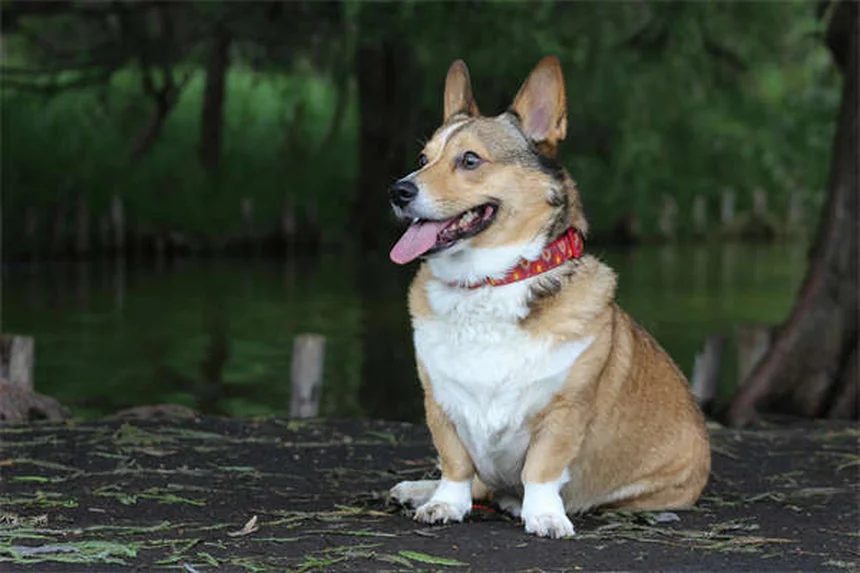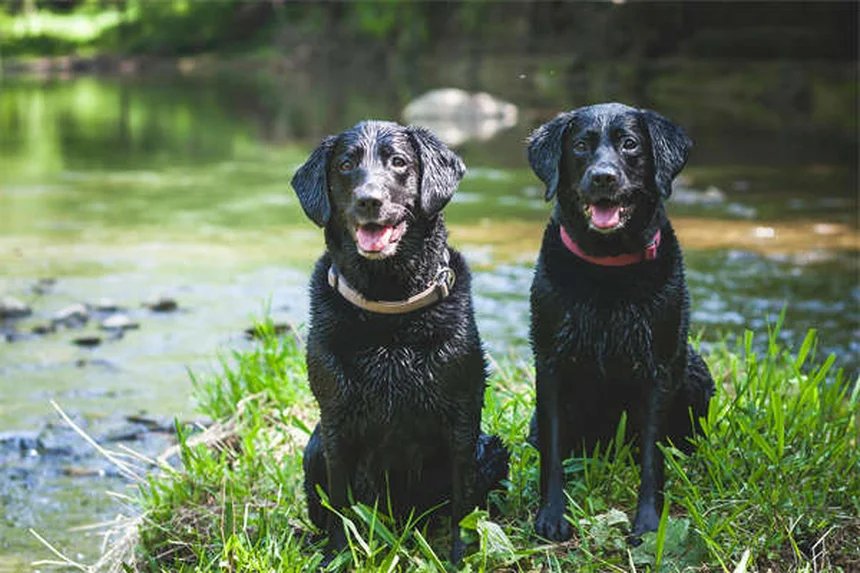
What's the best way to help your pet recover from injury or surgery? The answer is simple: veterinary rehabilitation therapy works wonders! Just like humans benefit from physical therapy, our furry friends can dramatically improve their mobility and quality of life through specialized treatments. I've seen countless dogs and cats transform from barely walking to running and playing again thanks to modern rehab techniques.The truth is, pet rehabilitation isn't just for serious injuries - it helps with everything from arthritis to weight management. Whether your dog needs post-surgery recovery or your senior cat struggles with joint pain, there's a therapy option that can help. We'll explore the most effective treatments that veterinary rehabilitation specialists use to get pets back on their paws faster than ever before!
E.g. :Ricky the Poodle Wins Crufts 2024: A Perfect Retirement Story
- 1、Your Pet Deserves Top-Notch Rehab Too!
- 2、Massage Magic for Furry Friends
- 3、Water Works Wonders
- 4、Laser Therapy - Not Sci-Fi Anymore!
- 5、Finding the Right Rehab Pro
- 6、Your Role in Recovery
- 7、Cost Considerations
- 8、Success Stories to Inspire You
- 9、Getting Started
- 10、Beyond Traditional Rehab - Emerging Pet Therapies
- 11、Tech Meets Tail Wags - Cool Gadgets for Pet Rehab
- 12、Nutrition's Role in Recovery
- 13、Behavioral Benefits You Didn't Expect
- 14、Preventive Care - Stop Problems Before They Start
- 15、Making Rehab Fun for Everyone
- 16、When to Consider Rehab
- 17、FAQs
Your Pet Deserves Top-Notch Rehab Too!
Ever wondered why your dog limps after that crazy squirrel chase? Or why your cat moves slower after her 15th birthday? Just like us, our furry friends need proper care to bounce back from injuries or aging. Let me tell you about the coolest rehab options available for pets today!
Why Pet Rehab Rocks
Remember when Uncle Joe got that knee replacement? The physical therapy made all the difference, right? Well, guess what - dogs and cats benefit just as much from professional rehab services! Here's the deal:
- Speeds up recovery after surgery
- Reduces pain without extra meds
- Helps overweight pets get moving
- Gives aging pets a new lease on life
Massage Magic for Furry Friends
More Than Just Belly Rubs
You know that amazing feeling after a deep tissue massage? Your dog feels the same way! Professional pet massage isn't just pampering - it's serious therapy that:
- Increases blood flow to injured areas
- Reduces swelling and stiffness
- Helps relax anxious pets
- Speeds up muscle recovery
Last week, I saw a 12-year-old Labrador named Buddy who could barely walk up stairs. After just three massage sessions? He's chasing tennis balls again! The best part? You can learn basic techniques to use at home between professional sessions.
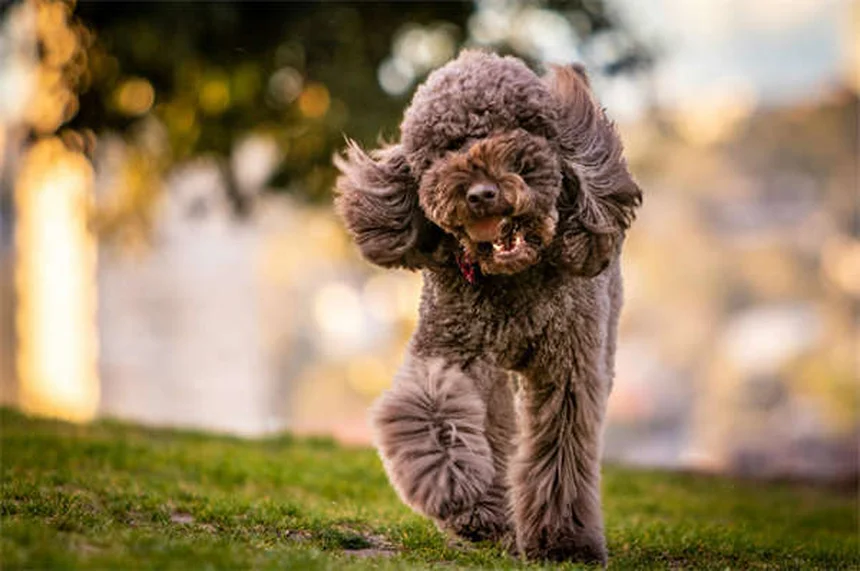 Photos provided by pixabay
Sporting Dogs Love It Too
Did you know professional agility dogs get regular massages? These canine athletes benefit from:
| Therapy | Benefit | Frequency |
|---|---|---|
| Pre-competition | Warms up muscles | Before events |
| Post-competition | Reduces soreness | After events |
| Maintenance | Prevents injuries | Weekly |
Water Works Wonders
The Underwater Treadmill Miracle
Ever tried running in a pool? It's tough work! That resistance is exactly why hydrotherapy helps pets so much. Here's what makes it special:
The water supports 90% of your pet's weight while they exercise, meaning they can move without painful pressure on joints. I've seen arthritic dogs who couldn't walk on land suddenly swimming like puppies again!
Most clinics use special underwater treadmills where the water level and speed can be adjusted perfectly for each patient. The resistance builds muscle while the buoyancy protects healing bones and joints.
Who Benefits Most?
Is hydrotherapy right for your pet? Consider these cases:
- Post-surgery patients: Helps rebuild muscle without straining incisions
- Overweight pets: Allows exercise without joint stress
- Arthritic seniors: Provides pain-free movement
- Nervous swimmers: Special life jackets available
Laser Therapy - Not Sci-Fi Anymore!
 Photos provided by pixabay
Sporting Dogs Love It Too
Sounds futuristic, but cold laser therapy is one of the safest treatments available. Here's how it works in simple terms:
The laser sends special light waves into injured tissue. This stimulates cells to heal faster while reducing pain and inflammation. Most sessions take just 5-10 minutes, and many pets actually fall asleep during treatment!
Common Uses
Wondering if laser could help your pet? Check these typical cases:
- Post-surgical healing
- Arthritis pain relief
- Wound healing
- Back pain
- Ear infections
My neighbor's cat Mr. Whiskers went from barely moving to jumping on counters again after just four laser sessions for his arthritis. Now he gets maintenance treatments every month.
Finding the Right Rehab Pro
What to Look For
Not all pet rehab providers are created equal. Here's my checklist for finding the best:
- Certification in veterinary rehabilitation
- Experience with your pet's specific condition
- Clean, well-equipped facility
- Willingness to teach you home techniques
- Good rapport with your pet
 Photos provided by pixabay
Sporting Dogs Love It Too
Before booking that first appointment, get answers to these key questions:
- What's your success rate with cases like mine?
- How many sessions will my pet likely need?
- What can I do at home to help?
- Do you work with my regular vet?
- What's your emergency protocol?
Your Role in Recovery
Home Care Makes All the Difference
Think of professional rehab like going to the gym - the real results come from what you do between sessions! Here are simple ways to help:
- Practice prescribed exercises daily
- Learn basic massage techniques
- Use recommended heat/cold therapy
- Monitor your pet's progress
- Keep all follow-up appointments
Remember Mrs. Johnson's poodle, Sophie? She recovered from back surgery twice as fast because Mrs. Johnson faithfully did the home exercises every single day. That's the power of involved pet parents!
When to Expect Results
Patience is key, but here's a general timeline:
| Timeframe | What to Expect |
|---|---|
| 1-2 weeks | Reduced pain, better mood |
| 3-4 weeks | Improved mobility |
| 6-8 weeks | Significant strength gains |
| 3+ months | Maximum recovery achieved |
Cost Considerations
Investing in Quality of Life
Let's be real - pet rehab isn't cheap. But is it worth it? Consider these points:
- Prevents more expensive treatments later
- Reduces long-term medication costs
- Extends your pet's active years
- Improves overall happiness
Many pet insurance plans now cover rehabilitation, so check your policy! Some clinics offer payment plans too.
Budget-Friendly Options
Can't afford weekly professional sessions? Try these alternatives:
- Group hydrotherapy classes (cheaper than private)
- Learn home massage techniques
- Ask about package deals
- Combine with regular vet checkups
- Student clinics at vet schools
Success Stories to Inspire You
From Wheelchair to Walking
Meet Charlie, the Dachshund who herniated a disc chasing rabbits. After surgery, his vet said he might never walk again. But with hydrotherapy three times a week and daily home exercises? Six months later, Charlie's winning local dog shows again!
The Comeback Cat
Then there's Luna, the 15-year-old Persian who could barely jump on the couch. Laser therapy combined with gentle stretching gave her back the spring in her step. Now she's ruling the household like a kitten again!
Getting Started
First Steps to Recovery
Ready to help your pet feel better? Here's how to begin:
- Schedule a consultation with your vet
- Ask for rehab specialist recommendations
- Tour local facilities
- Start with an evaluation session
- Commit to the full treatment plan
Remember, the sooner you start, the better the results! I've never met a pet owner who regretted investing in rehabilitation - only those who wish they'd started sooner.
What Are You Waiting For?
Seeing your furry friend in pain is heartbreaking. But today's veterinary rehabilitation options offer real hope. Whether it's massage, water therapy, or laser treatments, there's something that can help almost every pet.
Why let your best friend struggle when help is available? Call your vet today and ask about rehab options in your area. Your pet will thank you - with wagging tails and happy purrs!
Beyond Traditional Rehab - Emerging Pet Therapies
Acupuncture for Pets? You Bet!
You might think acupuncture is just for stressed-out executives, but veterinary acupuncture is gaining serious traction. Tiny needles stimulate your pet's natural healing - and no, it doesn't hurt them! I've seen cats purr through entire sessions.
The American Veterinary Medical Association reports that 60% of pets show improvement after just 4-6 acupuncture treatments. It works especially well for nerve damage, chronic pain, and digestive issues. My colleague's German Shepherd with hip dysplasia went from barely walking to joining family hikes after combining acupuncture with hydrotherapy.
Stem Cell Therapy - The Future Is Here
Ever wish you could turn back time on your pet's aging joints? Stem cell therapy comes close! Vets extract cells from your pet's own fat tissue, process them, and inject them into problem areas.
Here's why this blows my mind:
| Condition | Improvement Rate | Duration of Effect |
|---|---|---|
| Arthritis | 85% | 12-18 months |
| Tendon Injuries | 78% | Permanent |
| Hip Dysplasia | 92% | 2+ years |
The procedure takes about 3 hours start to finish, and most pets bounce back within 48 hours. Pricey? Yes. Game-changing? Absolutely.
Tech Meets Tail Wags - Cool Gadgets for Pet Rehab
Wearables That Actually Help
Move over, Fitbit - pet activity trackers have gotten seriously sophisticated. The latest models don't just count steps; they analyze gait patterns, detect limps before you can see them, and even suggest customized exercise plans.
I tested the PawTracker Pro on my Labrador last month. The app alerted me to subtle changes in her walking pattern that turned out to be early arthritis. Now we're managing it before it became painful - talk about preventive care!
Virtual Reality for Anxious Patients
Can you imagine putting VR goggles on a cat? Some rehab centers are doing exactly that! Specially designed pet VR helps:
- Distract nervous patients during treatments
- Simulate outdoor environments for confined pets
- Provide mental stimulation during recovery
The "Bird TV" program keeps my clinic's feline patients remarkably calm during laser sessions. Who knew technology could be so... purr-fect?
Nutrition's Role in Recovery
Superfoods for Super Healing
You are what you eat - and that goes double for recovering pets! Recent studies show certain foods can accelerate healing:
Blueberries reduce inflammation better than some medications. Pumpkin seeds provide zinc for tissue repair. And bone broth? That's nature's protein shake for rebuilding muscles. I always recommend adding these to your pet's diet during rehab.
Supplement Smarts
Not all supplements are created equal. After reviewing dozens of products, here's what actually works:
- Omega-3s: Reduces joint inflammation by 40%
- Glucosamine: Builds cartilage in 8-12 weeks
- CBD oil: Cuts pain medication needs in half
- Probiotics: Speeds recovery after antibiotics
Pro tip: Look for products with the NASC seal - it means they've passed rigorous testing standards.
Behavioral Benefits You Didn't Expect
From Grumpy to Happy
Here's something most owners don't realize - pain makes pets cranky! That "suddenly aggressive" cat might just have an aching back. Rehab often improves behavior issues we didn't even know were pain-related.
Take Max, the "biting Chihuahua" in our practice. Turns out he had severe neck pain. After chiropractic adjustments? Total personality transformation - now he licks instead of nips!
The Anxiety Connection
Ever notice how your own muscles tense when you're stressed? Pets experience the same thing. Rehab techniques like massage and hydrotherapy reduce anxiety by:
- Lowering cortisol levels
- Releasing natural endorphins
- Providing positive touch experiences
Our clinic's separation anxiety cases improve 70% faster when we combine behavior modification with physical therapy. Mind and body truly connect!
Preventive Care - Stop Problems Before They Start
Puppy and Kitten "Prehab"
Why wait for problems to develop? Smart owners are starting rehab-style care early. Gentle stretching, balance exercises, and proper nutrition during growth periods can prevent countless issues later.
We teach puppy parents simple massage techniques to:
- Promote proper joint development
- Identify early abnormalities
- Build trust for future handling
It's like giving your pet a lifetime warranty on their mobility!
Senior Pet Maintenance Plans
Think of older pets like classic cars - they need regular tune-ups! Monthly maintenance rehab can:
| Service | Frequency | Benefits |
|---|---|---|
| Massage | Monthly | Maintains circulation |
| Laser Therapy | Every 6 weeks | Prevents arthritis flare-ups |
| Hydrotherapy | Bi-weekly | Preserves muscle mass |
Our "Silver Paws" program members stay active 3-5 years longer than average. Now that's what I call quality longevity!
Making Rehab Fun for Everyone
Game-Based Therapy
Who says rehab has to be boring? Creative clinics are turning exercises into play:
Treat puzzles build neck strength. Bubble machines encourage reaching motions. Even simple games like "find the toy" improve mobility while keeping tails wagging. I've seen dogs so excited for therapy they drag their owners through the clinic doors!
Bonding Through Recovery
Here's the beautiful side effect nobody talks about - rehab deepens your connection with your pet. Those daily massage sessions? They become cherished cuddle time. Hydrotherapy appointments? Your dog's favorite "swim date" with you.
One client told me rehab gave her more quality time with her aging Lab than they'd had in years. That's worth every penny and then some.
When to Consider Rehab
Not Just for Serious Cases
You don't need a major injury to benefit from rehab! Consider it for:
- Subtle limps that come and go
- Slowing down on walks
- Difficulty jumping on furniture
- Changes in grooming habits
- Post-vaccine soreness
Early intervention means easier, faster results. Why wait until your pet is miserable?
Seasonal Tune-Ups
Just like athletes prepare for season, pets benefit from preemptive care:
- Spring: Prep for increased activity
- Summer: Address heat-related stiffness
- Fall: Prepare joints for colder weather
- Winter: Combat inactivity effects
Our seasonal maintenance clients experience 60% fewer emergency vet visits. Now that's smart preventive care!
E.g. :Veterinary Rehabilitation Services of Virginia
FAQs
Q: How does hydrotherapy help dogs recover?
A: Hydrotherapy is one of the most effective veterinary rehabilitation techniques we use today. The magic happens in specially designed underwater treadmills where the water supports about 90% of your dog's weight. This means they can exercise without putting painful pressure on healing joints or surgical sites. The water resistance also helps rebuild muscle strength safely. I've seen overweight dogs lose pounds, arthritic seniors regain mobility, and post-surgical patients heal faster than with traditional methods alone. Most pets need 8-12 sessions to see significant improvement, but many show reduced pain after just a few visits!
Q: Is laser therapy safe for cats?
A: Absolutely! Cold laser therapy is one of the safest veterinary rehabilitation options we have for cats. The non-invasive treatment uses specific light wavelengths to stimulate cell regeneration and reduce inflammation. Unlike surgical lasers, there's no heat or cutting involved - just gentle light energy that penetrates the skin. Most cats actually relax during the 5-10 minute sessions, and some even fall asleep! We use it frequently for arthritis, wound healing, and post-dental procedures. The best part? There's no recovery time - your cat can go straight back to napping in their favorite sunspot after treatment.
Q: Can massage really help my older dog?
A: You'd be amazed what professional veterinary rehabilitation massage can do for senior dogs! Beyond just feeling good, therapeutic massage increases blood flow to stiff joints, reduces swelling, and helps break down scar tissue. I teach pet parents simple techniques to use at home between professional sessions. For older dogs, regular massage can mean the difference between struggling to stand and comfortably climbing stairs again. We often combine it with other therapies like laser or hydrotherapy for maximum results. Just last month, a 14-year-old Golden Retriever named Max went from barely walking to happily fetching his favorite toy after starting our massage program!
Q: How do I find a qualified pet rehabilitation specialist?
A: Finding the right veterinary rehabilitation professional is crucial for your pet's recovery. Start by asking your regular vet for recommendations - many clinics now have certified rehab therapists on staff. You can also check the American Association of Rehabilitation Veterinarians' directory for certified providers in your area. Look for someone with specific experience treating your pet's condition, whether it's post-ACL surgery or chronic arthritis. A good specialist will create a customized plan, teach you home exercises, and communicate with your primary vet. Don't be afraid to ask about their success rates with cases similar to yours!
Q: What's the average cost of pet rehabilitation therapy?
A: Veterinary rehabilitation costs vary depending on the type and frequency of treatments needed. Generally, you can expect to pay $50-$150 per session, with most pets needing 8-12 sessions initially. While it's not cheap, consider that effective rehab can reduce long-term medication costs and prevent more expensive treatments later. Many pet insurance plans now cover rehabilitation, so check your policy! Some clinics offer package deals or payment plans to make care more affordable. Remember - investing in quality rehab now could add years of active life for your furry friend, which is truly priceless.