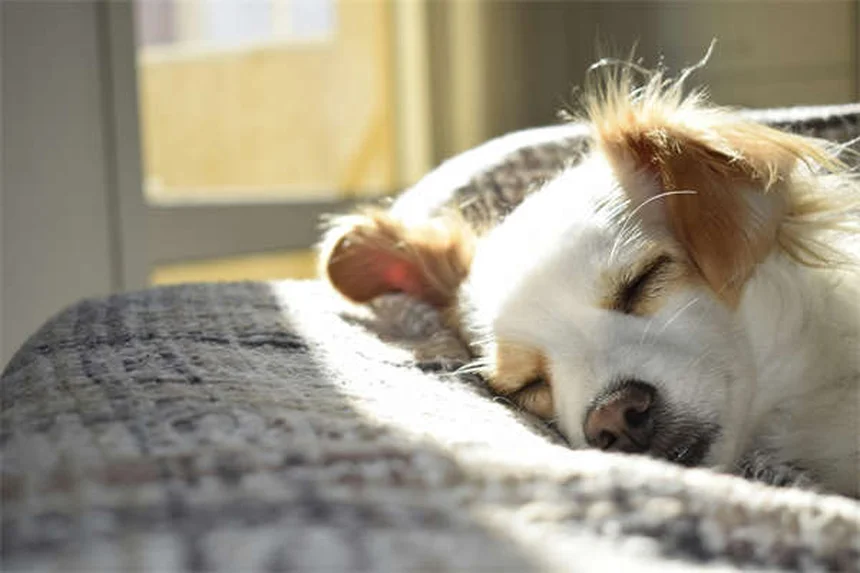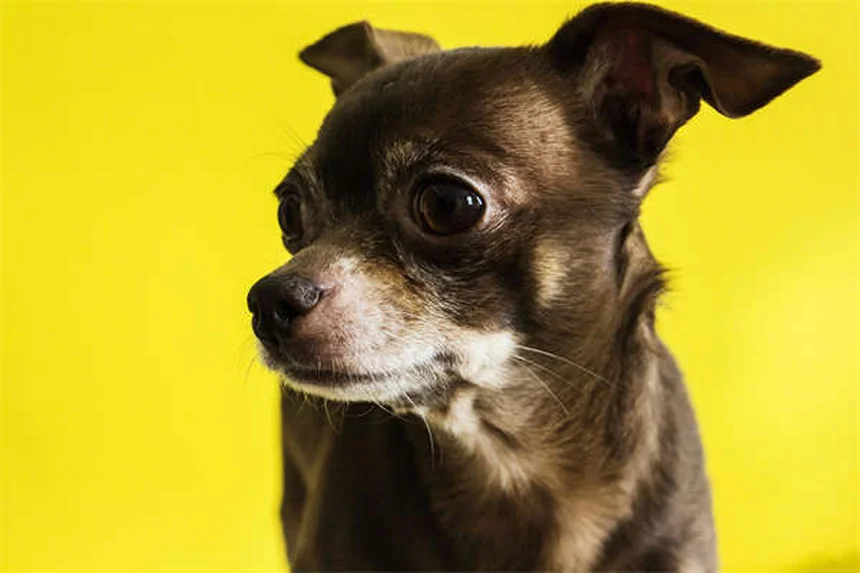
Why are my dog's eyes watering? The answer is: Your dog's watery eyes (called epiphora) are usually caused by irritation, blocked tear ducts, or breed traits! That reddish-brown staining you see comes from a natural pigment in tears called porphyrin. While some tearing is normal (it helps flush out dust and pollen), you should call your vet immediately if you notice greenish-yellow discharge or squinting - these could signal an eye injury or infection.As a dog owner myself, I know how worrying those tear stains can be. The good news? Most cases of epiphora aren't serious. In this guide, we'll walk you through the 5 most common reasons for watery eyes in dogs and exactly what you can do about them. Whether it's simple allergies or something needing vet attention, you'll know when to wipe those tears and when to seek help!
E.g. :Why Do Female Dogs Hump? 5 Surprising Reasons Explained
- 1、Understanding Watery Eyes in Dogs
- 2、Spotting the Symptoms
- 3、What Causes Those Watery Eyes?
- 4、How Vets Figure It Out
- 5、Treatment Options
- 6、Living With Watery Eyes
- 7、Your Top Questions Answered
- 8、Beyond the Basics: More About Canine Eye Health
- 9、Nutrition's Role in Eye Health
- 10、Prevention Is Better Than Cure
- 11、When to Seek Specialized Care
- 12、Understanding Breed-Specific Risks
- 13、FAQs
Understanding Watery Eyes in Dogs
What Exactly Is Epiphora?
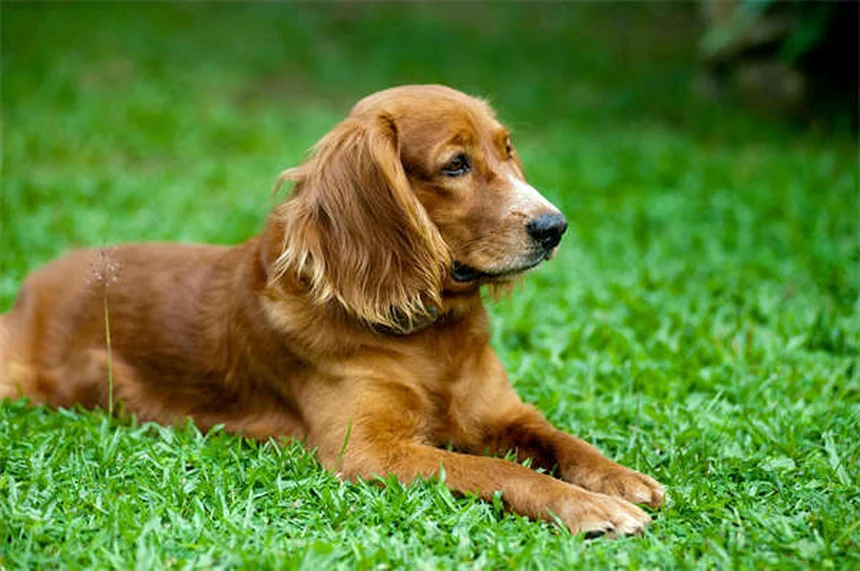
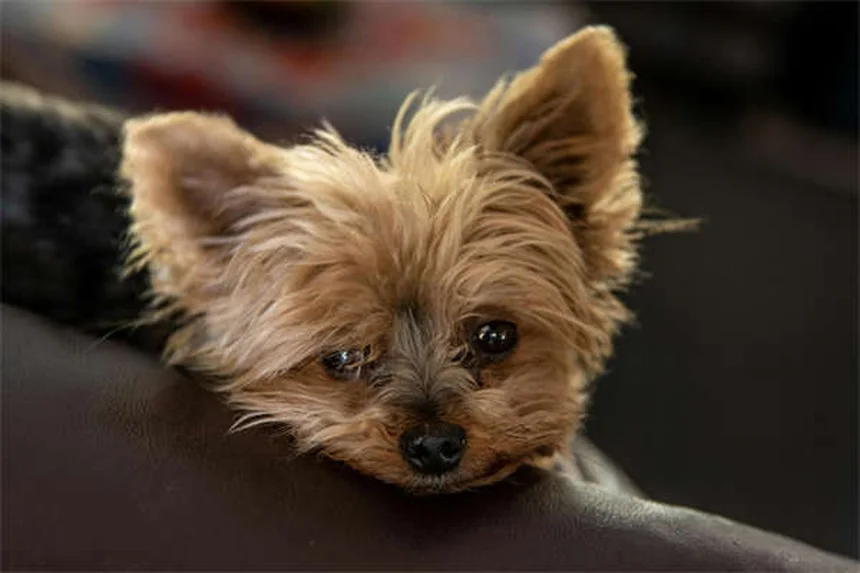
You know when your dog's eyes get all teary and leave those reddish-brown stains? That's what vets call epiphora. It's basically your pup's eyes producing more tears than usual. The staining comes from a natural pigment in tears called porphyrin, which shows up really clearly on light-colored fur.
Now here's something interesting - dogs have built-in eye protection! Their tear ducts store extra tears in the corners near their nose. When something like dust or pollen irritates their eyes, these stored tears flush out the irritants. Pretty cool system, right?
When Should You Worry?
Most cases of watery eyes are no big deal, but watch out for these warning signs:
- Greenish-yellow discharge instead of clear tears
- Your dog squinting or pawing at their eye
- Redness or swelling around the eye
If you see any of these, it's time for a vet visit. Could be an eye injury or infection brewing.
Spotting the Symptoms
 Photos provided by pixabay
The Telltale Signs
How can you tell if your dog has epiphora? Look for:
| Symptom | What It Looks Like |
|---|---|
| Excessive tears | Constant wetness under the eyes |
| Staining | Reddish-brown marks on fur |
| Eye rubbing | Your dog pawing at their face |
Why Just One Eye?
Ever notice your dog only has one watery eye? Here's why that happens:
Sometimes it's something simple like an ingrown eyelash irritating just that eye. Other times, the tear duct on that side might be blocked. But if that eye has thick discharge or your dog seems to be in pain, don't wait - get to the vet!
What Causes Those Watery Eyes?
Common Irritants
Lots of things can make your dog's eyes water:
- Allergies (pollen is public enemy #1)
- Eyelid problems (like rolled-in eyelids)
- That pesky "cherry eye" condition
- Even tiny eyelid growths
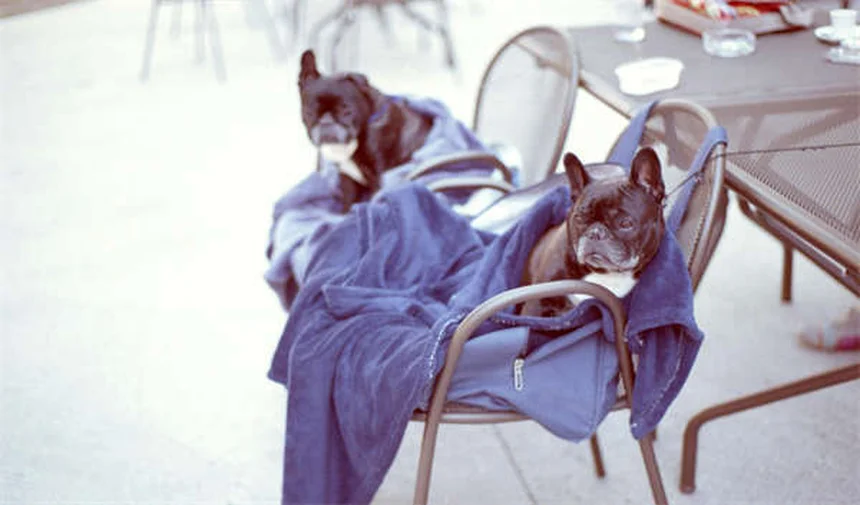
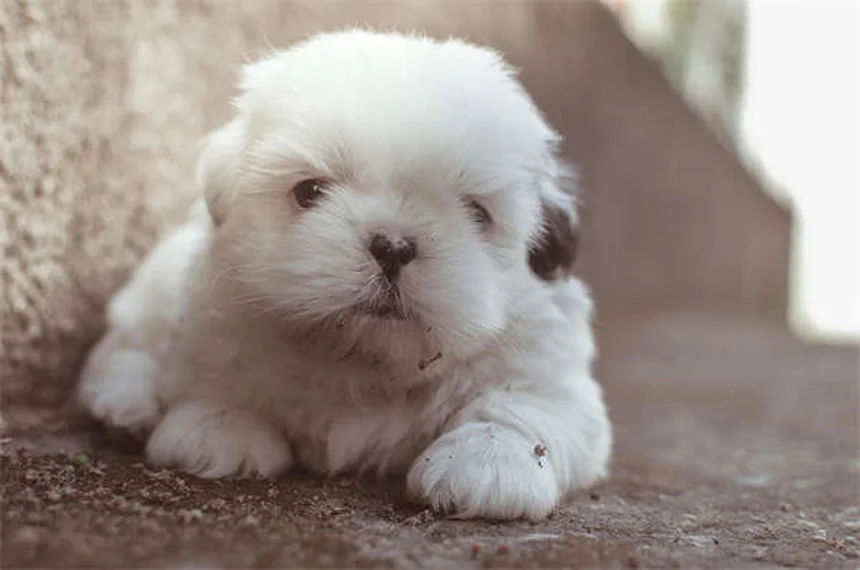
Did you know some breeds are just prone to watery eyes? Poodles, Shih Tzus, and Pekingese often have this "feature" built right in!
 Photos provided by pixabay
The Telltale Signs
Here's something you might not think about - sometimes the tears can't drain properly. This happens when:
- The eye sockets are too shallow (common in bug-eyed breeds)
- The tear duct gets clogged
- Some dogs are born with blocked tear ducts
How Vets Figure It Out
The Eye Exam
When you take your dog in for watery eyes, the vet will:
- Do a thorough physical exam
- Maybe use special strips to measure tear production
- Check for scratches with eye stain
- Test eye pressure (no needles, just a gentle touch)
Ever wonder why vets do all these tests? It's because watery eyes can signal anything from simple allergies to serious conditions like glaucoma. Better safe than sorry!
Treatment Options
Simple Solutions
For mild cases, treatment might be as easy as:
- Antihistamines for allergies
- Artificial tears to flush irritants
- Regular cleaning with special wipes
 Photos provided by pixabay
The Telltale Signs
Some conditions require more serious intervention:
Ingrown eyelashes, eyelid abnormalities, or growths might need surgical correction. The good news? These procedures usually have great success rates and your pup will feel so much better afterward!
Living With Watery Eyes
Daily Care Tips
For breeds prone to epiphora, try these simple habits:
- Wipe the area daily with dog-safe wipes
- Keep the fur around the eyes trimmed
- Watch for signs of infection (redness, odor)
Remember - never use human products around your dog's eyes! Stick to vet-recommended cleaners.
Managing Chronic Conditions
Allergies can't be cured, but they can be managed:
From over-the-counter antihistamines to prescription meds like Apoquel, there are plenty of options. Your vet can help find what works best for your pup's specific needs.
Your Top Questions Answered
Is This an Emergency?
Here's a simple rule: If your dog's acting normal with clear tears, mention it at your next checkup. But if they're squinting, rubbing their eye, or have colored discharge? That's your cue to call the vet today.
Does It Hurt?
Most watery eye cases aren't painful, but chronic irritation can cause discomfort. Think how your eyes feel after a long day in pollen-filled air - that's probably how your dog feels with untreated epiphora.
Allergy Connection?
Absolutely! Allergies are one of the most common causes of watery eyes in dogs. Just like us, they can be allergic to pollen, dust, mold... you name it!
Pro tip: Keep a log of when the symptoms flare up. This helps your vet identify potential triggers.
Beyond the Basics: More About Canine Eye Health
The Emotional Side of Watery Eyes
Did you know your dog's eyes can water when they're feeling emotional too? That's right - just like humans, dogs produce more tears when they're stressed or excited. Next time your pup greets you with watery eyes after a long day apart, it might not just be allergies!
Researchers in Japan actually discovered that dogs produce more tears when reunited with their owners compared to strangers. The hormone oxytocin plays a big role here. So when your furry friend gives you those "I missed you" watery eyes, it's their version of happy tears!
Environmental Factors We Often Overlook
You might be surprised what everyday items can irritate your dog's eyes:
- Household cleaners - that lemon-scented floor cleaner could be the culprit
- Air fresheners - especially those plug-in types
- Even your shampoo - when your dog snuggles against your freshly washed hair
I learned this the hard way when my golden retriever started getting teary eyes every laundry day. Turns out, the floral fabric softener was the trigger! Now we use fragrance-free products and the problem disappeared.
Nutrition's Role in Eye Health
Superfoods for Bright Eyes
What you feed your dog impacts their eye health more than you might think. Here are some eye-friendly nutrients to look for:
| Nutrient | Food Sources | Benefits |
|---|---|---|
| Omega-3s | Salmon, flaxseed | Reduces inflammation |
| Vitamin A | Carrots, sweet potatoes | Supports tear production |
| Lutein | Spinach, kale | Protects against UV damage |
Ever wonder why some premium dog foods include blueberries? They're packed with antioxidants that help maintain healthy eyes! My vet recommends adding a teaspoon of mashed blueberries to my dog's dinner twice a week.
Hydration Matters More Than You Think
Here's something most dog owners don't realize - dehydration can actually make eye discharge thicker. When your dog doesn't drink enough water, their tear production changes, leading to more concentrated tears that stain worse.
Try this simple test: Gently pinch the skin on your dog's neck. If it doesn't snap back quickly, they might need more water. I started adding low-sodium chicken broth to my picky drinker's water bowl, and not only did he drink more, but his eye stains improved too!
Prevention Is Better Than Cure
Creating an Eye-Friendly Home
Small changes around your house can make a big difference:
- Use humidifiers in dry climates - dry air irritates eyes
- Keep your dog away from cigarette smoke
- Choose dust-free cat litter if you have cats
Did you know that ceiling fans can dry out your dog's eyes? I didn't until my vet pointed out that my bulldog's watery eyes got worse in the room with the fan. Now we use a small table fan pointed away from his face instead.
Grooming Habits That Help
Regular grooming does more than keep your dog looking good - it prevents eye issues too!
For breeds with long facial hair, trimming around the eyes prevents hairs from poking and irritating the eyes. Use rounded-tip scissors and go slow - or better yet, have a professional groomer do it. My neighbor learned this lesson after attempting a DIY trim that ended with an emergency vet visit!
When to Seek Specialized Care
The Benefits of a Veterinary Ophthalmologist
If your regular vet can't solve your dog's eye issues, don't hesitate to ask for a referral to a specialist. These eye doctors for dogs have equipment that can:
- Take detailed images of tear ducts
- Measure tear production precisely
- Detect microscopic eye ulcers
Is it worth the extra cost? Absolutely! My cousin's cocker spaniel had chronic eye issues until a specialist found a tiny, hidden eyelash growing in the wrong direction. One quick procedure later, and the problem was gone for good.
Alternative Therapies Worth Considering
For chronic cases, some alternative treatments might help:
Acupuncture has shown promise in reducing allergy-related eye symptoms. Cold laser therapy can decrease inflammation around the eyes. Even simple warm compresses (using a clean, damp cloth) can provide relief when done properly.
Remember that time your grandma told you to put tea bags on your eyes? Well, chamomile tea bag compresses can actually soothe mild eye irritation in dogs too! Just make sure they're cool and caffeine-free first.
Understanding Breed-Specific Risks
Why Some Breeds Struggle More
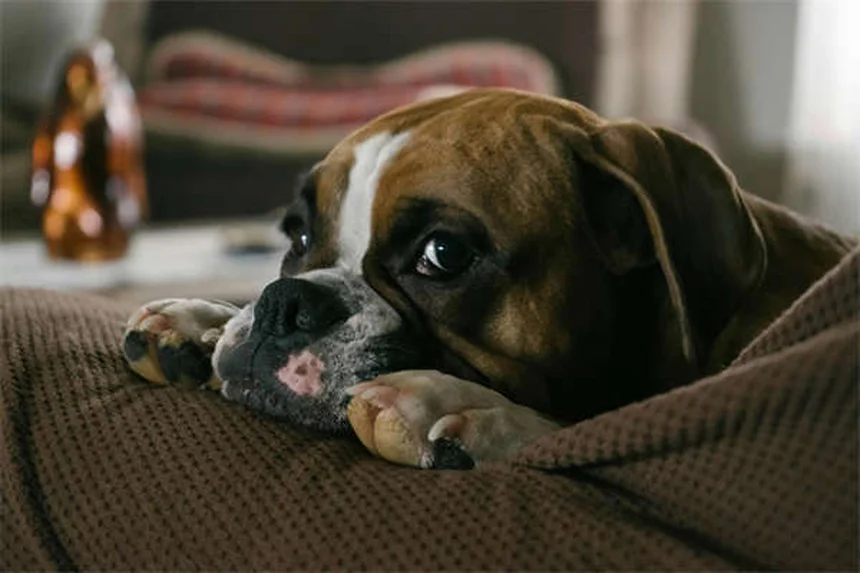
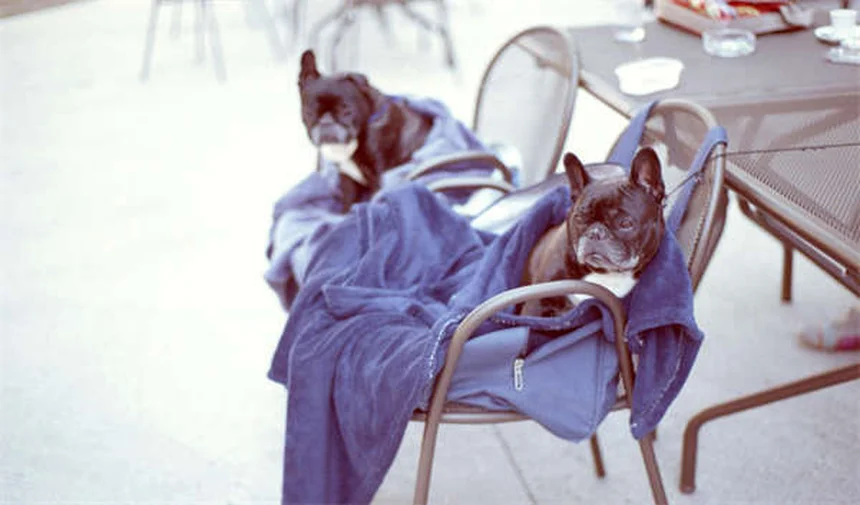
Ever notice how pugs and bulldogs seem to have more eye issues? Their adorable flat faces come with some challenges:
- Shallow eye sockets offer less protection
- Eyelids often don't close completely
- Facial folds can trap moisture and bacteria
But here's something cool - responsible breeders are actually working to improve these traits! The healthiest brachycephalic breeds now have slightly longer snouts and better eye placement.
Genetic Testing for Eye Health
Modern science allows us to screen for inherited eye conditions. Tests can identify risks for:
- Progressive retinal atrophy
- Juvenile cataracts
- Glaucoma predisposition
If you're getting a puppy from a breeder, always ask about these tests. My sister's golden retriever came with a complete genetic health panel - it gave us peace of mind knowing his eyes were low-risk!
E.g. :Watery Eyes in Dogs | PetMD
FAQs
Q: Should I be worried about my dog's watery eyes?
A: Most cases of watery eyes in dogs aren't emergencies, but there are some red flags to watch for. If your pup has clear tears with no squinting or redness, it's probably fine to mention it at your next regular vet visit. However, seek immediate veterinary care if you notice green or yellow discharge, excessive blinking, or if your dog is pawing at their eye. These could indicate serious conditions like corneal ulcers or glaucoma. For breeds prone to tear stains (like Shih Tzus or Poodles), regular gentle cleaning with vet-approved wipes can help prevent skin irritation and infections.
Q: Can allergies cause watery eyes in dogs?
A: Absolutely! Just like humans, dogs can get allergic conjunctivitis that makes their eyes water. Common triggers include pollen, dust mites, and mold. You might notice the watery eyes are seasonal or worse after walks in grassy areas. While allergies can't be cured, they can be managed. Your vet might recommend antihistamines (like Benadryl), prescription medications (like Apoquel), or even allergy shots. We've found that wiping your dog's face after outdoor time and using air purifiers at home can really help reduce symptoms too!
Q: Why does my dog only have one watery eye?
A: When only one eye is watery, it often points to a localized issue. Common causes include an ingrown eyelash irritating that specific eye, a foreign object (like a grass seed), or a blocked tear duct on that side. Some dogs develop small eyelid growths that rub against the eye. If the discharge isn't clear or if your dog seems uncomfortable, don't wait - that single watery eye could indicate a corneal scratch or ulcer that needs prompt treatment. We always tell pet parents: When in doubt about eye issues, it's better to be safe and get it checked out.
Q: Are certain dog breeds more prone to watery eyes?
A: Yes indeed! Brachycephalic breeds (those cute flat-faced dogs) and small breeds are especially prone to epiphora. The top breeds we see with chronic watery eyes include Shih Tzus, Poodles, Pekingese, Bulldogs, and Maltese. These dogs often have shallow eye sockets or hair that grows toward the eyes, causing constant irritation. While you can't change their genetics, regular maintenance like keeping facial hair trimmed and using quality eye wipes can make a big difference in their comfort and appearance.
Q: How can I clean my dog's tear stains safely?
A: Cleaning tear stains requires a gentle touch! We recommend using vet-approved eye wipes (like Angels' Eyes or Optixcare) specifically made for dogs. Never use human products or harsh chemicals near your dog's eyes. Here's our step-by-step method: First, moisten a cotton pad with lukewarm water to soften crusts. Then gently wipe from the inner corner outward using the specialized wipes. Finish by patting dry. For stubborn stains, your vet might recommend special solutions or dietary supplements. Remember - the key is consistency! Daily cleaning prevents buildup that can lead to skin infections.