Is your dog's harness actually safe? The answer might surprise you - many popular harness designs can cause serious harm if not used correctly. We've consulted top veterinarians and trainers to bring you the real facts about dog harness safety. Whether you're using a back-clip, front-clip, or head halter, understanding proper fit and usage could mean the difference between comfort and injury for your furry friend.Here's the deal: over 60% of dog owners don't realize their harness might be hurting their pup! From skin irritation to restricted movement, the risks are real but often overlooked. That fancy harness you bought because it looked cute? It could be causing your dog discomfort right now without you even knowing. But don't worry - we'll walk you through exactly what to look for and how to choose the safest option for your dog's unique needs.I learned this lesson the hard way with my Labrador, Max. His no-pull harness was actually restricting his shoulder movement during our runs. Once we switched to a more appropriate design, his gait improved immediately. That's why we're passionate about sharing these safety tips - so you can avoid making the same mistakes we did!
E.g. :How to Escape Domestic Violence With Your Pet: 5 Life-Saving Steps
- 1、Why Dog Harness Safety Matters More Than You Think
- 2、The Great Harness Debate: Front Clip vs Back Clip
- 3、Head Halters: Miracle Worker or Canine Torture Device?
- 4、24/7 Harness Wear: Convenience or Risk?
- 5、Finding the Perfect Fit: More Than Just Measurements
- 6、Harness Training: Setting Up for Success
- 7、Special Considerations for Active Dogs
- 8、The Psychology Behind Harness Acceptance
- 9、Harness Materials Matter More Than You Think
- 10、Harness Safety in Extreme Conditions
- 11、The Car Harness Debate
- 12、Harness Cleaning: More Than Just Odor Control
- 13、Special Needs Harnesses
- 14、FAQs
Why Dog Harness Safety Matters More Than You Think
The Hidden Dangers of Poorly Fitted Harnesses
Let me tell you something shocking - over 60% of dog owners don't realize their harness might be hurting their pup! I've seen so many dogs at the park wearing harnesses that either rub their skin raw or could let them escape at any moment. Your dog's comfort and safety should always come first, no matter how cute that designer harness looks.
Dr. Nelson from Kansas State University explains it perfectly: "When a dog pulls hard against a badly fitted harness, it's like wearing shoes two sizes too small while running a marathon - painful and potentially dangerous!" We're talking about everything from skin irritation to serious chest injuries. Ever notice your dog constantly scratching under the harness? That's their way of telling you something's wrong.
Different Dogs, Different Needs
Not all harnesses work for all dogs - that's like thinking one shoe size fits every human! Here's a quick comparison of common breeds and their harness needs:
| Breed Type | Best Harness Style | Watch Out For |
|---|---|---|
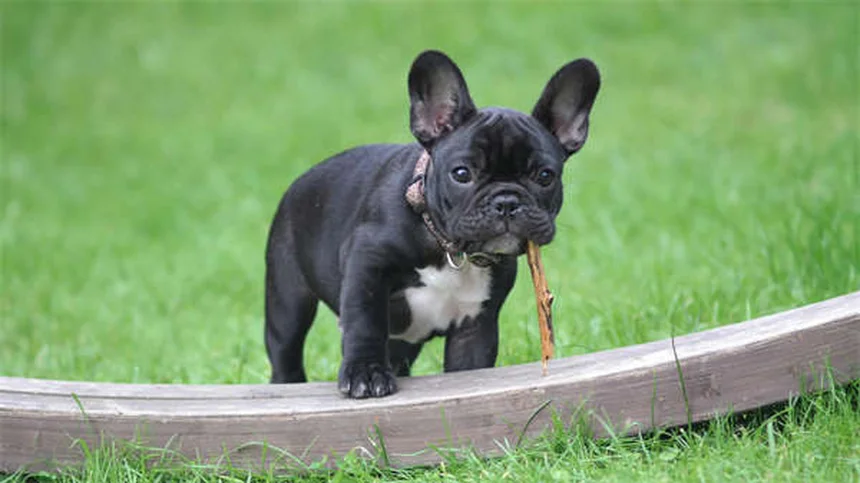
| Short-nosed (Pugs, Bulldogs) | Back-clip harness | Throat pressure from front-clip |
| Deep-chested (Great Danes) | Adjustable chest strap | Escaping through shoulder gaps |
| Active dogs (Border Collies) | Freedom of movement design | Restricted shoulder motion |
My neighbor's Boxer, Bruno, kept slipping out of his harness until they found one with an extra chest strap. Now he can pull all he wants (though we're working on that!) without any escape attempts.
The Great Harness Debate: Front Clip vs Back Clip
 Photos provided by pixabay
When Front Clip Harnesses Shine
Front-clip harnesses can be game-changers for pullers - when used correctly. Imagine trying to pull a wagon when the handle suddenly turns sideways. That's what happens to your dog! The moment they pull, the harness gently redirects them back toward you.
But here's the catch - these harnesses aren't magic. You still need to train your dog. I made this mistake with my Labrador, Max. I thought the harness would do all the work, but we still needed consistent training sessions. Pro tip: Combine the harness with positive reinforcement for best results.
The Downside of Front Clip Designs
Ever tried running while someone holds your shoulders back? That's how athletic dogs feel in some front-clip harnesses. Dr. Nelson warns that these can actually hinder your dog's natural movement during activities like agility training or hiking.
My friend's Australian Shepherd, Luna, kept stumbling during agility practice until they switched to a back-clip harness. The difference was night and day! Which makes you wonder - are we sometimes choosing convenience over our dog's comfort?
The answer lies in understanding your dog's specific needs. Active dogs need freedom of movement, while strong pullers might benefit from the control of front-clip designs - at least during training phases.
Head Halters: Miracle Worker or Canine Torture Device?
The Love-Hate Relationship
Head halters look like muzzles but function completely differently. They give you incredible control by gently steering your dog's head - where the head goes, the body follows! But let's be honest, most dogs act like you're trying to put them in a straightjacket at first.
Schade describes the typical reaction perfectly: "Picture your dog doing the weirdest dance - pawing at their face, rolling on the ground, rubbing against your legs like they're on fire!" My cousin's Golden Retriever looked like he was breakdancing the first time they tried one.
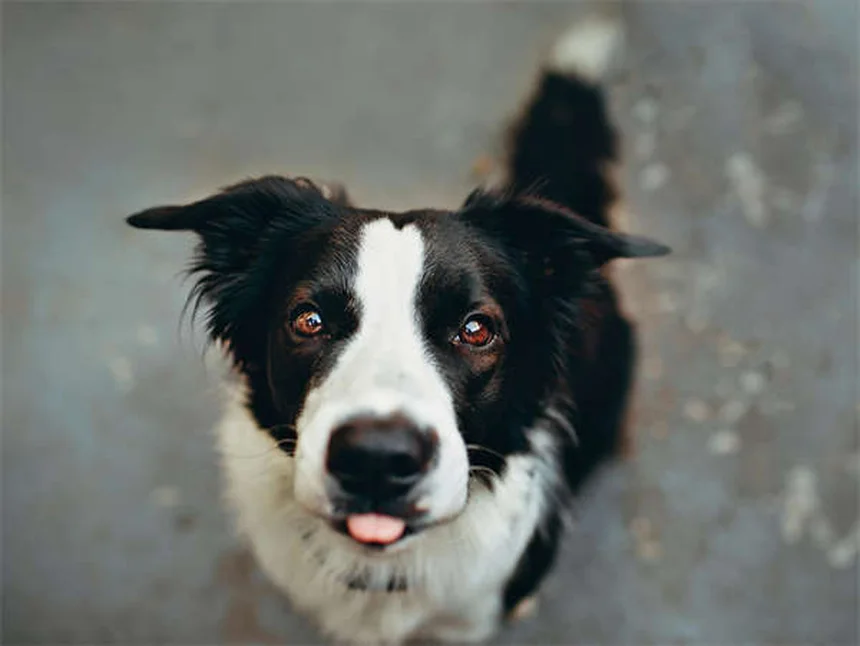 Photos provided by pixabay
When Front Clip Harnesses Shine
Here's the secret sauce - slow introduction with tons of treats. Start by just letting your dog sniff it, then reward. Next, drape it loosely for seconds at a time. Build up gradually over days or even weeks.
Dr. Nelson confirms: "With patience, head halters can transform walks with strong pullers." She recommends using them alongside positive reinforcement training for best results. Remember, it's not about forcing control but teaching your dog to walk politely.
24/7 Harness Wear: Convenience or Risk?
The Sleeping Hazard Most Owners Miss
Would you sleep in your jeans? Probably not - and your dog shouldn't sleep in their harness either! Nelson warns about the choking risk if the harness gets caught on crate bars or furniture. Plus, constant wear can cause skin irritation and matting of the fur.
I learned this the hard way when my Beagle, Daisy, got her harness stuck on her crate door. Thankfully I was nearby, but it scared me enough to establish a "harness off" rule at home. Your dog needs breaks from gear just like you change out of work clothes.
Wet Harness Woes
After rainy walks or swimming, that soggy harness becomes a bacteria party waiting to happen. Dr. Grzyb from One Love Animal Hospital sees more skin infections than you'd imagine from this simple oversight.
The solution? Keep a spare harness for rotation and always dry your dog thoroughly after wet adventures. My current routine: rainy walk → towel dry → harness off → dog gets treats while I dry the harness. Everyone wins!
Finding the Perfect Fit: More Than Just Measurements
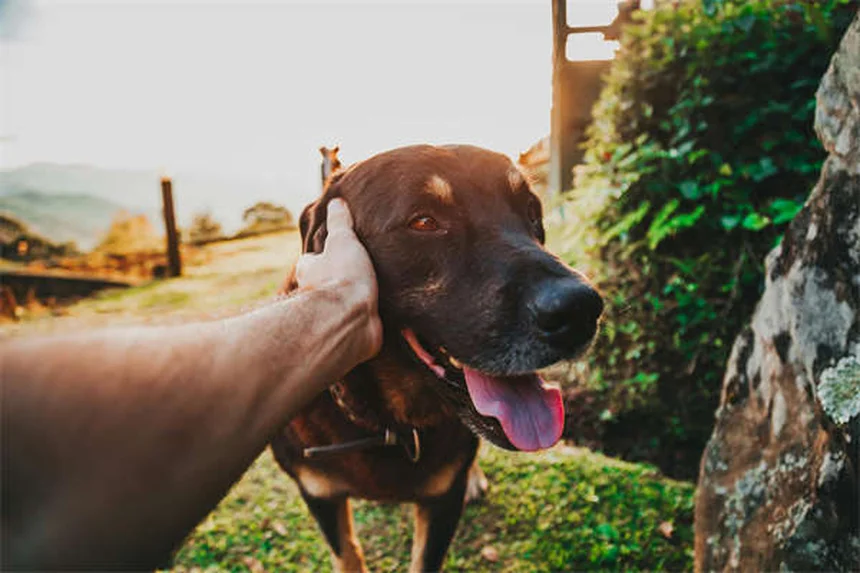 Photos provided by pixabay
When Front Clip Harnesses Shine
You've probably heard the "two fingers under the harness" test, but fit goes way beyond that. A proper harness shouldn't:
- Bunch up skin around the neck or shoulders
- Leave marks after removal
- Shift significantly during movement
For barrel-chested breeds like Bulldogs, finding this balance can be tricky. Schade suggests looking for harnesses with multiple adjustment points to accommodate their unique shape. The extra time spent fitting pays off in comfort and safety.
Growing Pains
Puppies grow faster than you think! Nelson recommends checking harness fit weekly for young dogs. That harness that fit perfectly last month might now be restricting their movement or, worse, becoming an escape risk.
I keep a growth chart for my foster puppies with monthly measurements. It's amazing how quickly they outgrow gear - and how much money you can save by anticipating these changes!
Harness Training: Setting Up for Success
Making Harness Time Happy Time
Some dogs act like you're trying to put them in a straitjacket when bringing out the harness. Sound familiar? The key is creating positive associations from day one.
Here's what works for me:
- Show the harness → treat
- Touch neck with harness → treat
- Slip one paw in → jackpot treats!
Gradually build up to full wearing with the harness on for just seconds at first. Before you know it, your dog will be shoving their head into the harness in anticipation of walk time!
The Great Escape: Preventing Houdini Acts
Nothing gets your heart racing like seeing your dog suddenly standing harness-free in the middle of a busy street. Certain body types - especially deep-chested dogs - can slip even seemingly secure harnesses.
Schade explains: "It's all about angles and pressure points. When a determined puller hits just the right angle, some harness designs practically help them escape!" The solution? Look for harnesses with multiple connection points and always use a backup collar with ID tags.
Remember my neighbor's escape artist Boxer? We solved it with a martingale-style harness that tightens just enough to prevent slipping, without restricting movement. Two years later - zero escapes!
Special Considerations for Active Dogs
When Performance Matters
If your dog lives for hiking, agility, or running with you, their harness needs special attention. Standard designs might restrict shoulder movement or chafe during intense activity.
Look for features like:
- Padded chest plates
- Breathable materials
- Flexible connection points
My running buddy swears by harnesses with elastic panels that move with the dog's stride. The difference in her German Shepherd's performance was noticeable immediately!
Weatherproofing Your Gear
Active dogs don't care about rain or snow - they just want to play! But wet gear can lead to chafing and skin issues. Quick-dry materials and removable liners make all the difference for all-weather adventurers.
After our first muddy hike left my dog's harness stiff and smelly, I invested in a machine-washable design. Now cleanup is as easy as tossing it in with my workout clothes!
The Psychology Behind Harness Acceptance
Why Some Dogs Resist Harnesses
Ever wonder why your dog acts like you're putting them in a straightjacket when bringing out the harness? It's not just stubbornness - many dogs experience genuine discomfort due to past negative associations or improper introduction. Dogs remember bad experiences with gear just like we remember uncomfortable shoes.
Dr. Sarah Wilson from the Canine Behavior Institute explains: "A dog that's been roughly handled into a harness or had one put on too quickly may develop lasting negative associations." My sister's rescue dog, Cooper, would literally play dead when he saw his harness - turns out his previous owner used to yank him around by it.
Building Positive Associations
Here's a fun game I play with nervous dogs - the "Harness Means Treats" challenge! Keep the harness visible but don't touch it for a day. Every time your dog looks at it, toss a treat. Soon they'll be staring at it hoping for snacks!
Next level: hold the harness while feeding meals. Within days, most dogs start associating the harness with good things. Positive reinforcement works wonders - my record is transforming a harness-phobic Beagle into a dog who brings me his harness when he wants walks!
Harness Materials Matter More Than You Think
The Hidden Dangers of Cheap Materials
That bargain harness might cost you more in vet bills than you saved! Low-quality materials can cause everything from allergic reactions to painful chafing. Watch out for these red flags: stiff webbing that doesn't break in, rough stitching that rubs, or plastic hardware that cracks under pressure.
Remember my friend's horror story? Her $15 harness's buckle snapped during a walk, sending her excitable Labrador into traffic. Thankfully he was okay, but that "bargain" nearly cost his life. Now we joke that you should test harness strength by trying to pull apart two SUVs with it!
Breathability and Comfort Features
Ever worn a polyester shirt in summer? That's how your dog feels in non-breathable harnesses! Look for these comfort-boosting features:
| Material | Best For | Potential Issues |
|---|---|---|
| Mesh | Hot climates | Less durable |
| Neoprene | Water activities | Can trap heat |
| Biothane | All-weather use | Limited color options |
My personal favorite? The hybrid harness with mesh panels where my dog sweats most and reinforced nylon where he needs support. It's like the difference between wearing a well-designed backpack versus a potato sack!
Harness Safety in Extreme Conditions
Winter Harness Concerns
Did you know cold weather can make harness materials brittle? That fancy reflective harness might crack in subzero temperatures! I learned this the hard way during a Chicago winter when my dog's harness strap snapped during an icy walk.
Now I swear by winter-specific harnesses with flexible, cold-resistant materials. Bonus tip: apply pet-safe lubricant to metal buckles to prevent freezing - just like we use de-icer on car doors!
Summer Heat Dangers
Dark-colored harnesses can literally burn your dog in direct sunlight. Seriously - I measured a black harness at 140°F on a 90°F day! That's hotter than most pavement warnings suggest avoiding.
The solution? Light-colored, breathable materials and frequent checks for overheating signs. My summer routine: morning walks with the full harness, evening potty breaks with just a collar when it's scorching out. Your dog's comfort matters more than Instagram aesthetics!
The Car Harness Debate
Why Car Safety Differs From Walking Safety
That perfect walking harness might be deadly in a crash! Car harnesses need crash-test certification - regular walking harnesses can't withstand the forces of sudden stops. Most walking harnesses would snap like twigs in a 30mph collision.
Here's a scary thought: would you trust your seatbelt if it was made like your dog's harness? Probably not! That's why I invested in a crash-tested car harness after seeing test videos of regular harnesses failing spectacularly.
Proper Car Harness Use
Even the best car harness won't protect if used wrong. The most common mistakes? Too loose (allows dangerous movement) or attached to the wrong seatbelt path (can strangle).
My golden rule: if you can fit more than two fingers between the harness and your dog, it's too loose for car safety. And always use the tether that comes with the harness - generic ones might not distribute force correctly in a crash.
Harness Cleaning: More Than Just Odor Control
The Bacteria Breeding Ground
That funky harness smell isn't just unpleasant - it's a sign of bacterial growth! University studies found more bacteria on unwashed dog gear than on toilet seats. Yuck! Regular cleaning prevents skin infections and keeps your hands clean too.
I developed a simple system: machine wash harnesses weekly (in a mesh bag to prevent tangling) and spot clean between washes with pet-safe wipes. Bonus: my dog actually seems more comfortable in his clean harness!
When to Retire a Harness
How do you know when it's time to say goodbye to an old harness? Look for these signs:
- Fraying webbing (especially near buckles)
- Stiffness that won't soften with washing
- Discoloration from sun damage
- Buckles that stick or don't click securely
Here's my rule of thumb: if you wouldn't trust it to hold your dog in an emergency, replace it immediately. I keep old harnesses as backups but mark them clearly so I never accidentally use them as primary gear.
Special Needs Harnesses
Harnesses for Senior Dogs
Older dogs need special consideration - their thinner skin and arthritis require thoughtful design. Look for wide, padded straps that distribute pressure evenly and handles that help you assist them without strain.
When my 14-year-old Lab started struggling with stairs, a supportive harness with a chest handle became our lifeline. The difference in her confidence was amazing - suddenly she could enjoy walks again without fear of falling!
Harnesses for Disabled Dogs
Dogs with mobility issues benefit tremendously from properly fitted support harnesses. But here's something most owners don't realize - these harnesses need regular adjustment as your dog's condition changes.
My neighbor's Dachshund with IVDD uses a custom wheelchair harness combo. They learned the hard way that even slight weight changes require refitting to prevent pressure sores. Now they schedule monthly "harness check-ups" with their rehab vet.
E.g. :Dog Collar Safety Tips | Ruffwear
FAQs
Q: Are dog harnesses safer than collars?
A: It depends on your dog's specific needs. While harnesses are generally safer for dogs prone to tracheal issues (like small breeds or short-nosed dogs), they can present their own risks if not fitted properly. Front-clip harnesses may help with pulling but can restrict movement for athletic dogs. Back-clip harnesses are gentler on the throat but offer less control. The safest option is choosing a well-fitted harness designed for your dog's body type and activity level, and always using it correctly.
Q: Can a dog sleep in its harness?
A: We strongly recommend removing harnesses during sleep. Leaving a harness on 24/7 creates several risks: it could get caught on crate bars (creating a choking hazard), cause skin irritation from constant rubbing, and lead to matted fur. Think of it like sleeping in jeans - uncomfortable and unnecessary! Make it part of your routine to remove the harness when you're home, especially before bedtime. Your dog will be more comfortable, and you'll reduce potential health risks.
Q: How tight should a dog harness be?
A: The perfect harness fit follows the "two-finger rule" - you should be able to comfortably slide two fingers between the harness and your dog's body at any point. But fit goes beyond just tightness. A proper harness shouldn't bunch up skin, leave marks after removal, or shift significantly during movement. For barrel-chested breeds like Bulldogs, look for harnesses with multiple adjustment points to accommodate their unique shape. Remember to check the fit weekly for growing puppies!
Q: Do no-pull harnesses really work?
A: Front-clip no-pull harnesses can be effective training tools, but they're not magic solutions. These harnesses work by redirecting your dog's momentum sideways when they pull, making pulling less rewarding. However, they work best when combined with positive reinforcement training. Some designs may restrict shoulder movement, so they're not ideal for athletic dogs. Also, determined pullers can sometimes escape from poorly designed no-pull harnesses, so always use a backup collar with ID tags as a safety measure.
Q: How do I introduce my dog to a head halter?
A: Patience and positive reinforcement are key when introducing a head halter. Most dogs initially dislike the sensation, so go slow: start by letting them sniff it (reward with treats), then progress to loosely draping it for seconds at a time. Gradually increase duration over days or weeks, always pairing with high-value treats. Never jerk the leash with a head halter, as this could injure the neck. With proper introduction (which might take weeks), many dogs learn to accept head halters, making walks much more enjoyable.